Liège vs mousse vs caoutchouc : quelle poignée de bâton de randonnée vous convient ?
2026-07-31
Lors du choix de bâtons de trekking, la plupart des randonneurs se concentrent excessivement sur les matériaux du tube — aluminium 7075 contre fibre de carbone — tout en négligeant ce qui est sans doute le composant le plus crucial :la poignée. Au cours d'une journée de randonnée typique, vos mains effectuent des milliers de micro-ajustements sur vos bâtons, transmettant la force à travers les poignées à chaque pose du bâton. Le bon matériau de poignée minimise l'inconfort, prévient les ampoules et maximise l'efficacité du transfert de puissance.
Trois matériaux dominent le marché :liège contremousse EVA, et caoutchouc. Chacun offre des avantages et des compromis distincts en matière de gestion de l'humidité, de conduction thermique, d'amortissement des vibrations, de durabilité et de poids. Voici tout ce que vous devez savoir pour choisir la bonne poignée adaptée à votre style de randonnée.
Poignées en liège : le concurrent naturel
Les poignées en liège sont composées de granulés récoltés sur des chênes-lièges, généralement liés avec des polymères synthétiques pour créer un matériau composite durable. Cette approche durable utilise l'écorce qui se régénère après la récolte, ce qui en fait un choix écologique.
Pourquoi les randonneurs aiment le liège
Gestion exceptionnelle de l'humidité. Le liège évacue naturellement la transpiration tout en conservant son adhérence lorsqu'il est humide. Contrairement aux matériaux synthétiques qui deviennent glissants lorsqu'ils sont mouillés, le liège reste sûr pendant les montées exigeantes. La structure microcellulaire du matériau éloigne l'humidité de votre peau et permet son évaporation. Comme l'a indiqué un évaluateur, les poignées en liège « ne rendent pas vos mains moites par temps chaud ».
Adaptabilité personnalisée. Grâce à une utilisation répétée et à l'exposition à la chaleur corporelle, le liège s'adapte progressivement à la forme de votre main, créant un ajustement personnalisé qui minimise les points de pression. Un avis détaillé note que les poignées en liège « peuvent frotter un peu au début, [mais] s'adaptent progressivement à vos mains ». Plus vous les utilisez, plus elles deviennent confortables.
Régulation de la température. Le liège présente une faible conductivité thermique, restant agréablement neutre au toucher dans des conditions de température extrêmes. Il n'est ni glacial par temps froid ni désagréablement chaud en plein soleil.
Amortissement des vibrations. Le liège offre une absorption des chocs suffisante pour la plupart des conditions de sentier, filtrant efficacement les vibrations à haute fréquence des terrains accidentés. Il procure une réduction modérée des vibrations — approximativement à mi-chemin entre la mousse et le plastique.
Inconvénients du liège
Variabilité de la durabilité. La qualité du liège influence fortement la longévité. Les poignées haut de gamme utilisant une forte teneur en liège résistent à la dégradation, tandis que les options économiques contenant trop d'agents liants peuvent s'effriter avec le temps. Le liège est un matériau naturel et biodégradable qui finira par se décomposer.
Poids. Le liège est toujours plus lourd que la mousse EVA. Un fabricant note que, bien qu'elles soient identiques à tous égards sauf au niveau des poignées, les bâtons en EVA pèsent 7 oz par bâton tandis que les bâtons en liège pèsent 9,5 oz par bâton.
Période d'adaptation. Contrairement aux alternatives qui offrent un confort immédiat, le liège nécessite un certain temps d'adaptation avant d'atteindre sa forme personnalisée optimale.
Entretien. Le liège bénéficie d'un nettoyage occasionnel à l'eau et au savon pour prévenir l'accumulation d'huile et de saleté.
Idéal pour
Les conditions chaudes et humides où la gestion de la transpiration est essentielle
Les randonneurs de longue distance qui privilégient un confort personnalisé au fil du temps
La randonnée sans gants par temps chaud
Les amateurs de plein air soucieux de l'environnement
Poignées en mousse EVA : le choix moderne et léger
EVA (éthylène-acétate de vinyle) est une mousse polymère à cellules fermées connue pour ses propriétés de légèreté et ses capacités exceptionnelles d'amorti. Ce matériau synthétique a gagné une popularité considérable dans l'industrie du plein air.
Pourquoi les randonneurs choisissent la mousse
Amorti supérieur. La mousse EVA est la référence incontestée en matière d'absorption des chocs et de confort moelleux. Cela fait de l'EVA le matériau de choix pour les applications nécessitant un contact prolongé avec des surfaces dures.
Légèreté. L'EVA est plus léger que le liège, moins abrasif et beaucoup moins cher à fabriquer..
Confort immédiat. L'EVA offre un confort immédiat dès la sortie de l'emballage, sans période d'adaptation nécessaire..
Séchage rapide. La mousse semble sécher plus rapidement que le liège.
Chaleur par temps froid.La mousse et le liège sont tous deux beaucoup plus chauds par temps froid que le caoutchouc. La structure à cellules fermées de l'EVA offre une isolation thermique.
Inconvénients de la mousse
Absorption de l'humidité. Les poignées en mousse sont « douces et confortables, mais elles sont également plus susceptibles d'absorber l'humidité et la transpiration ». Bien que la mousse EVA offre une « gestion supérieure de la transpiration », elle emprisonne l'humidité à la surface au lieu de l'évacuer comme le liège.
Problèmes de durabilité. La souplesse du matériau le rend susceptible aux dommages causés par l'abrasion due à la compression de l'équipement dans les sacs . Bien que les formulations haute densité améliorent la longévité, l'EVA montre généralement une usure plus rapide que le caoutchouc ou le liège . La mousse EVA de moindre qualité peut développer des empreintes permanentes avec le temps, en particulier aux endroits où les doigts exercent une pression constante.
Limitations de texture. La surface lisse de l'EVA offre une texture moins agressive que le caoutchouc, ce qui peut être un facteur à considérer pour les terrains techniques nécessitant une sécurité maximale.
Idéal pour
Les randonneurs privilégiant le confort, ceux souffrant d'arthrite ou de problèmes de fatigue des mains
Les adeptes de la randonnée ultralégère privilégiant un poids minimal
Les acheteurs soucieux de leur budget
Les aventuriers par temps froid nécessitant une isolation thermique
Les spécialistes de la traversée de cours d'eau confrontés à des conditions souvent humides
Poignées en caoutchouc : le choix robuste et durable
Le caoutchouc est le choix classique pour les applications exigeant une adhérence supérieure et une résistance à l'abrasion . Disponible en variantes naturelles (issues du latex) et synthétiques, les composés de caoutchouc équilibrent généralement la flexibilité et la résistance à l'usure.
Pourquoi les randonneurs utilisent le caoutchouc
Durabilité maximale. Le caoutchouc résiste généralement mieux à l'abrasion que le liège et l'EVA, conservant son intégrité structurelle pendant des années d'utilisation intensive . Le matériau reste élastique sur une large plage de températures, maintenant l'adhérence sur les surfaces humides ou sèches.
Sécurité par tous les temps. Le caoutchouc offre une traction maximale dans toutes les conditions . Il fournit des performances constantes pendant les périodes de stockage . Les bâtons d'hiver utilisent presque universellement des poignées en caoutchouc.
Excellente absorption des chocs. Les poignées en caoutchouc sont excellentes pour l'absorption des chocs . Les poignées caoutchoutées absorbent les impacts et régulent la température.
Inconvénients du caoutchouc
Ampoules sur les mains nues.Le caoutchouc est dur et n'absorbe pas l'humidité, ce qui peut provoquer des frottements et des ampoules sur les mains nuesCela n'a pas d'importance si vous portez des gants, mais pour la randonnée par temps chaud, c'est une préoccupation importante.
Froid en hiver, chaud en été.Le caoutchouc conduit facilement la température, donnant une sensation de froid en hiver et de chaleur en plein soleil.
Plus lourd.Les poignées en caoutchouc ajoutent plus de poids que les alternatives en mousse ou en liège.
Idéal pour
Trekking hivernal et en haute altitude
Randonnée avec des gants (où l'absorption de l'humidité n'est pas pertinente)
Terrain technique nécessitant une sécurité maximale
Utilisateurs privilégiant la durabilité avant tout
Toutes les conditions météorologiques où une adhérence constante est essentielle
Comparaison directe
Caractéristique
Liège
Mousse EVA
Caoutchouc
Gestion de l'humidité
★★★★★ (évacue la transpiration)
★★★ (absorbe, séchage plus lent)
★★ (n'absorbe pas)
Amorti
★★★
★★★★★
★★★★
Durabilité
★★★ (varie selon la qualité)
★★★
★★★★★
Poids
★★★ (le plus lourd)
★★★★★ (le plus léger)
★★★
Ajustement personnalisé
★★★★★ (se moule à la main)
★★
★
Performance par temps froid
★★★★
★★★★★
★★
Performance par temps chaud
★★★★★
★★★
★★
Prix
★★ (le plus cher)
★★★★★ (le moins cher)
★★★
Rodage requis
Oui
Non
Non
La solution hybride : le meilleur des deux mondes
De nombreux bâtons de trekking haut de gamme proposent désormais des conceptions de poignées hybrides qui combinent des matériaux. Les bâtons Trail Cork de Black Diamond, par exemple, utilisent une poignée en liège 100 % naturel avec une extension de poignée en mousse EVA pour une prise plus basse lors des montées raides. Cette configuration vous offre le confort du liège qui évacue l'humidité là où votre main repose naturellement, ainsi que l'amorti léger de la mousse lorsque vous devez saisir plus bas le bâton pendant les lacets.
Plusieurs fabricants produisent désormais des poignées avec du liège associé à des extensions en mousse EVA, offrant une polyvalence adaptée aux terrains variés.
En résumé
Choisissez le liège si : Vous randonnez dans des conditions chaudes et humides et souhaitez une poignée qui s'améliore avec l'utilisation, s'adapte à votre main et gère naturellement l'humidité. Le prix élevé en vaut la peine pour les randonneurs passionnés qui passent de longues journées sur les sentiers.
Choisissez la mousse EVA si : Vous privilégiez la légèreté, le confort immédiat et un prix abordable. Les poignées en mousse sont idéales pour les randonneurs ultralégers et ceux qui recherchent le confort, et qui acceptent une durabilité légèrement réduite.
Choisissez le caoutchouc si : Vous randonnez en hiver, portez des gants ou pratiquez sur des terrains techniques où une adhérence et une durabilité maximales sont indispensables.
Comme l'a résumé un randonneur expérimenté : "Je préfère le liège à la mousse, mais la mousse semble sécher plus rapidement, est moins chère et plus durable. Les deux sont agréables et c'est davantage une question de préférence personnelle". La « bonne » poignée dépend finalement de l'endroit où vous randonnez, du moment où vous randonnez et de ce qui compte le plus pour vous.
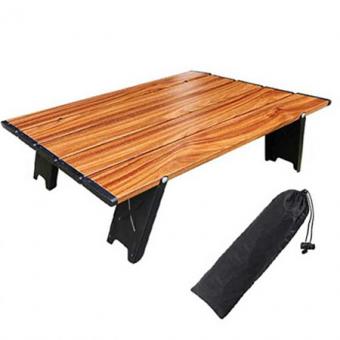
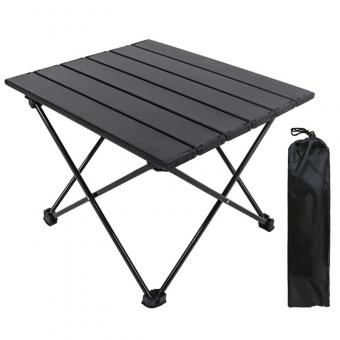
Marque : USINE ANHUI FEITEL Fabrication liée : OEM et ODM Produit : Une petite table de pique-nique légère et pliable, parfaite pour les activités de plein air. Fabriqué à partir de matériaux durables, il est portable et facile à installer.
Marque : USINE ANHUI FEISTEL Fabrication de relations : OEM et ODM Produit : La chaise de lune pliable en fer métallique léger et personnalisé offre un soutien et un confort durables, idéale pour le camping en plein air, avec une conception compacte et portable pour un transport et un stockage faciles.
Marque : USINE ANHUI FEISTEL Fabrication de relations : OEM et ODM Produit : Cette chaise de camping pliante d'extérieur avec cadre en aluminium est dotée d'un dossier réglable, d'une conception légère mais robuste, offrant un confort portable pour le camping, les sorties à la plage, les pique-niques et la détente en plein air.
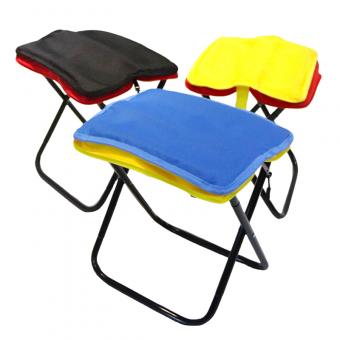
Marque : USINE ANHUI FEISTEL Fabrication liée : OEM et ODM Produit : Ce mini tabouret de randonnée combine un tissu Oxford résistant et pliable avec une poche astucieuse faisant office de trousse, offrant portabilité, confort et praticité pour le camping et les aventures en plein air.
Marque : USINE ANHUI FEITEL Fabrication liée : OEM et ODM Produit : Table de pique-nique pliante portable d'extérieur : conception en aluminium légère et durable avec hauteur réglable, installation facile et sac de transport compact pour le camping, les pique-niques et les activités de plein air.
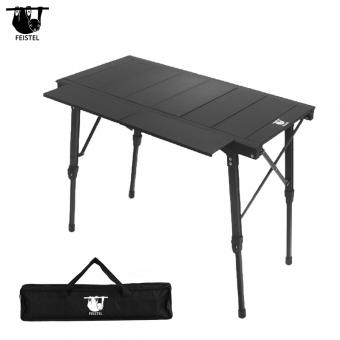
Marque : ANHUI FEITEL USINE Fabrication liée : OEM et ODM Produit : Une table de camping IGT BBQ polyvalente et portable avec des pieds réglables en hauteur. Idéal pour la cuisine en plein air, le camping et les pique-niques. Léger et pliable pour un transport facile.
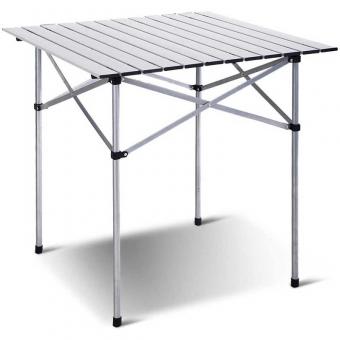
Marque : USINE ANHUI FEITEL Fabrication liée : OEM et ODM Produit : Table pliante en aluminium compacte et légère, parfaite pour le camping, la plage ou les activités de plein air. Facile à transporter, robuste et idéal pour contenir des aliments et des boissons.
Marque : USINE ANHUI FEISTEL Fabrication de relations : OEM et ODM Produit : Cette chaise longue de camping pliable en bois est dotée d'un cadre robuste, d'une conception inclinable ergonomique et d'une structure pliante compacte, parfaite pour se détendre à la plage, au camping ou dans l'arrière-cour.
Marque : USINE ANHUI FEISTEL Fabrication de relations : OEM et ODM Produit : Le lit de couchage de voyage pour équipement de randonnée en gros est un lit de camping pliable à hauteur réglable offrant un support robuste, une portabilité facile et un repos confortable pour les aventures en plein air.
Marque : USINE ANHUI FEITEL Fabrication liée : OEM et ODM Produit : Un lit de camping pliant portable ultraléger et compact, idéal pour la randonnée, doté d'un cadre durable, d'une installation facile et d'un sac de transport pratique pour les voyages.
bulletin
abonnez-vous à notre newsletter pour recevoir des nouvelles, des mises à jour, et des offres spéciales par e-mail.