Nylon anti-déchirure vs polyester Oxford : quel tissu est le plus durable pour une utilisation à la plage ?
2026-08-18
Lorsque vous achetez une couverture de plage, vous rencontrerez deux noms de tissus plus souvent que tous les autres : nylon ripstop et polyester Oxford. Les deux sont présentés comme durables, résistants au sable et à séchage rapide, mais ce sont fondamentalement des matériaux différents avec des forces et des faiblesses distinctes.
Comprendre la différence ne se résume pas à des détails sur les tissus. Il s’agit de choisir une couverture qui résiste aux contraintes particulières de l’utilisation à la plage : sable abrasif, rayonnement UV intense, exposition à l’eau salée et pliages et rangements répétés. Le mauvais choix peut vous laisser avec une couverture effilochée, décolorée ou déchirée après une seule saison.
Voici l’analyse honnête du tissu qui résiste vraiment sur le sable.
Tout d’abord, comprenez ce que ces noms signifient réellement
Avant de comparer, il est utile de distinguer deux concepts souvent confondus : le tissage et la fibre.
Ripstop décrit une structure de tissage, pas un matériau. Dans un tissu ripstop, des fils de renfort plus épais sont tissés dans le tissu de base à intervalles réguliers, créant un motif en grille visible . Cette grille empêche les petites déchirures de se propager à travers le tissu. La fibre de base peut être du nylon ou du polyester—ou même du coton ou de la soie. Une étiquette « ripstop » vous renseigne sur le tissage, pas sur la fibre.
Oxford, en revanche, décrit une structure en tissage natté où les fils sont tissés selon un motif plus texturé et durable. Oxford n’est pas non plus un matériau : il peut être fabriqué à partir de fils de nylon ou de polyester. Dans les couvertures de plage, le « polyester Oxford » est la formulation la plus courante, généralement avec un grammage de 600D.
Ainsi, lorsque l’on compare le nylon ripstop et polyester Oxfordvous comparez en réalité deux combinaisons différentes : un tissage renforcé avec une fibre de nylon, contre une structure en tissage natté avec une fibre de polyester.
Le duel des fibres : nylon contre polyester
Propriété
Nylon
Polyester
Résistance à la traction
Plus élevée
Plus faible
Résistance à l’abrasion
Supérieure
Suffisante
Résistance à la déchirure par poids
Meilleure de sa catégorie
Bonne
Résistance aux UV
Modérée (sujette à la dégradation)
Excellente
Absorption d’eau
Absorbe davantage, sèche plus lentement
Faible absorption, sèche plus rapidement
Élasticité/étirement
S’étire davantage
Plus rigide, conserve sa forme
Coût
Plus cher
Plus abordable
Les avantages du nylon
Le nylon offre une résistance à la traction plus élevée et une résistance à l’abrasion supérieure par rapport au polyester. Il possède un rapport résistance/poids extrêmement élevé—à niveau de résistance à l’usure égal, le nylon ne pèse qu’environ 70 % du tissu Oxford. À poids égal, le nylon est plus robuste.
C’est pourquoi le nylon ripstop domine les équipements de plein air où le poids est important : tentes ultralégères, sacs à dos et parachutes. Un nylon ripstop 210D couverture pèse considérablement moins qu'une polyester Oxford 600D couverture de la même taille. Pour les randonneurs qui comptent les grammes, le nylon est clairement le gagnant.
Le nylon possède également une meilleure élasticité—il s'étire et se plie sans se casser. Cela le rend plus tolérant sous charge et moins susceptible de développer des fissures de contrainte aux points de pliure.
Là où le polyester l'emporte
Le plus grand avantage du polyester est sa résistance aux UV. Sous une exposition prolongée au soleil, le nylon se dégrade plus rapidement—il est « sujet au vieillissement après une exposition prolongée au soleil ». Le polyester, en revanche, « possède une excellente résistance aux intempéries » et est « moins dégradé que le tissu en nylon » lors d'une exposition en extérieur.
Le polyester absorbe également moins d'eau que le nylon et sèche plus rapidement. Il ne se dilate pas lorsqu'il est mouillé, tandis que le nylon peut s'affaisser. Cette stabilité dimensionnelle signifie qu'une couverture en polyester conserve sa forme même après avoir été trempée.
Et le polyester est plus abordable. Pour les acheteurs en gros, cette différence de coût s'accumule rapidement.
Le facteur du tissage : comment le ripstop et l'Oxford changent la donne
Tissage ripstop : technologie anti-déchirure
Le tissage ripstop est conçu dans un seul but : empêcher les déchirures de se propager. Des fils de renfort plus épais sont tissés dans le tissu de base à intervalles réguliers, créant une grille qui agit comme un panneau d'arrêt pour les déchirures.
Un nylon ripstop 420D offre une résistance à la déchirure d'environ 25–40 N, contre seulement 15–25 N pour un tissu 210D sans ripstop. Il s'agit d'une avancée significative en matière de résistance à la déchirure avec le même matériau de base.
Pour une utilisation à la plage, cela compte. Un coquillage tranchant, un caillou égaré ou un piquet de tente mal placé peuvent entailler votre couverture. Avec le ripstop, cette entaille reste limitée. Sans lui, cette entaille devient une déchirure qui fend toute la couverture.
Tissage Oxford : robustesse de surface
La toile Oxford, particulièrement en600D, est unestructure en tissage nattéqui produit un tissu plus épais et plus texturéC'est « comme du taffetas sous stéroïdes » et « un tissu beaucoup plus robuste ».
Là où le ripstop excelle enrésistance aux déchirures, l'Oxford excelle enrésistance à l'abrasion et endurabilité de surfaceLes fils plus épais et le tissage plus dense créent un tissu qui résiste aux frottements contre le sable, les rochers et les surfaces rugueuses.
Polyester Oxford 600Davec un revêtement imperméable en PVC ou PU est « robuste pour empêcher les déchirures ou les arrachements »Certaines variantes sont testées pour résister à20 % d'abrasion en plus que les tissus 420D standard.
Durabilité spécifique à la plage : ce qui compte vraiment
Dégradation due aux UV
C'est le plus grand facteur de différenciation pour une utilisation à la plage.
Une couverture de plage passe des heures sous la lumière directe du soleil.Le nylon se dégrade sous l'exposition aux UVAvec le temps, les fibres s'affaiblissent, le tissu devient cassant et les couleurs passent. Ce n'est pas un problème mineur : c'est une limitation fondamentale du matériau.
Le polyester, en revanche, résiste naturellement aux UVIl ne se décolore pas au soleil et conserve son intégrité structurelle beaucoup plus longtempsPour une couverture qui reste à la plage, c'est un avantage décisif.
Si vous prévoyez d'utiliser votre couverture principalement dans desenvironnements ensoleillés et ouverts, le polyester Oxford est le choix le plus durable à long terme.
Abrasion par le sable
Le sable est abrasif. Chaque fois que vous secouez votre couverture, les particules de sable frottent contre les fibres. Au cours d'une saison, cette micro-abrasion cause des dommages.
Le nylon l'emporte en résistance à l'abrasionSes fibres sont plus résistantes et mieux protégées contre l'usure de surface.Nylon ripstopavec un revêtement PU est « résistant à l'abrasion et durable ».
Polyester Oxford, particulièrement en 600D, est également résistant à l'abrasion. Les fils plus épais et le tissage plus dense offrent une surface durable. Mais à poids égal, le nylon est le meilleur défenseur contre l'abrasion.
Exposition à l'eau et au sel
Le nylon et le polyester sont tous deux synthétiques et résistent mieux aux dommages causés par l'eau que les fibres naturelles. Mais il existe des différences.
Le nylon absorbe davantage d'eau que le polyester. Lorsqu'il est mouillé, il peut s'affaisser et mettre plus de temps à sécher. Dans un environnement de plage où les couvertures reçoivent des éclaboussures, sont exposées à la pluie ou reposent sur du sable humide, c'est un inconvénient pratique.
Le polyester absorbe très peu d'eau et sèche rapidement. Il ne s'étire pas lorsqu'il est mouillé, de sorte que la couverture reste tendue. Cela rend le polyester Oxford plus adapté aux conditions météorologiques côtières imprévisibles.
Corrosion par l'eau salée
L'eau salée est corrosive pour de nombreux matériaux, mais le nylon et le polyester sont tous deux des polymères synthétiques qui résistent aux dommages causés par le sel. Aucun des deux ne rouillera ni ne se corrodera comme des composants métalliques. La principale préoccupation concerne le revêtement appliqué au tissu : les revêtements en PVC ou en PU peuvent se dégrader avec le temps sous l'effet de l'exposition au sel, quel que soit le type de fibre de base.
Performances dans le monde réel : ce que rapportent les utilisateurs
Les couvertures en nylon ripstop sont appréciées pour leur facilité de transport légère et leur résistance aux déchirures. Les utilisateurs les décrivent comme « fines mais étonnamment résistantes ». Leur capacité à laisser tomber le sable est excellente : le sable « glisse simplement au moindre secouement ».
Les couvertures en polyester Oxford sont décrites comme « durables » et « robustes ». Elles semblent plus épaisses et plus substantielles. Les utilisateurs apprécient la résistance aux UV : les couleurs restent éclatantes même après plusieurs sorties à la plage. Certains modèles disposent d'un fond enduit de PVC pour une imperméabilité totale.
Le compromis est le poids. Une couverture en polyester Oxford 600D est plus lourde et plus encombrante qu'une nylon ripstop 210D couverture. Pour le camping en voiture et les journées en famille à la plage, la différence de poids est négligeable. Pour la randonnée itinérante ou les voyages, elle est importante.
Le verdict : lequel est le plus durable pour une utilisation à la plage ?
La réponse dépend de la façon dont vous définissez « durable ».
Si la durabilité signifie la résistance aux déchirures et à l'abrasion, le nylon ripstop est le gagnant. Son rapport résistance/poids est inégalé, et la grille ripstop empêche les petites entailles de devenir des déchirures catastrophiques.
Si la durabilité signifie la résistance à la dégradation par les UV et à une exposition prolongée au soleil, le polyester Oxford est le gagnant. Il durera plus longtemps que le nylon dans les environnements ensoleillés et conservera son apparence ainsi que son intégrité structurelle beaucoup plus longtemps.
Si la durabilité signifie la résistance à l'eau et un séchage rapide, le polyester Oxford a également l'avantage.
Si la durabilité signifie supporter des pliages et des rangements répétés, l'avantage revient au nylon pour son élasticité, ou au polyester pour sa stabilité dimensionnelle — selon votre style de rangement.
Recommandations pratiques
Choisissez le nylon ripstop si :
Le poids et la compacité sont vos priorités absolues (randonnée itinérante, voyage)
Vous avez besoin d'une résistance maximale aux déchirures par once
Vous êtes prêt à accepter une certaine dégradation due aux UV au fil du temps
Vous prévoyez de remplacer la couverture tous les quelques saisons
Choisissez le polyester Oxford si :
La couverture sera fortement exposée au soleil (plage, désert, environnement alpin)
Vous voulez une sensation plus épaisse et plus robuste
La conservation des couleurs à long terme est importante
Vous privilégiez la rentabilité pour les achats en gros
Vous voulez un séchage plus rapide après avoir été mouillé
Pour les acheteurs B2B qui s'approvisionnent en couvertures de plage pour des complexes hôteliers, des entreprises de location ou le commerce de détail, le polyester Oxford offre souvent un meilleur retour sur investissement grâce à sa résistance aux UV, son coût inférieur et sa production en gros constante. Pour les marques haut de gamme ultralégères ciblant les aventuriers chevronnés, le nylon ripstop offre une histoire de performance convaincante.
Comme le dit une analyse du secteur : « Si vous privilégiez la légèreté et une grande résistance, le nylon indéchirable convient ; si vous accordez de l'importance à la résistance au soleil et à l'efficacité des coûts, le polyester indéchirable est un choix idéal ».
Le tissu « plus durable » est celui qui correspond à votre environnement de plage spécifique. Pour les rivages baignés de soleil, le polyester Oxford l'emporte. Pour des performances robustes et faciles à ranger, le nylon ripstop remporte la palme. Les deux vous serviront bien — mais un seul vous servira plus longtemps sous le soleil.
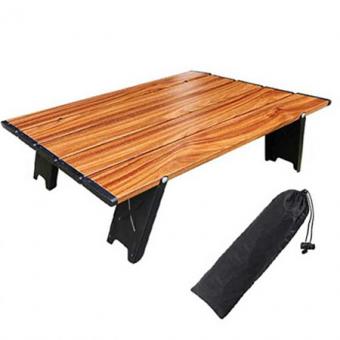
Marque : USINE ANHUI FEITEL Fabrication liée : OEM et ODM Produit : Une petite table de pique-nique légère et pliable, parfaite pour les activités de plein air. Fabriqué à partir de matériaux durables, il est portable et facile à installer.
Marque : USINE ANHUI FEISTEL Fabrication de relations : OEM et ODM Produit : La chaise de lune pliable en fer métallique léger et personnalisé offre un soutien et un confort durables, idéale pour le camping en plein air, avec une conception compacte et portable pour un transport et un stockage faciles.
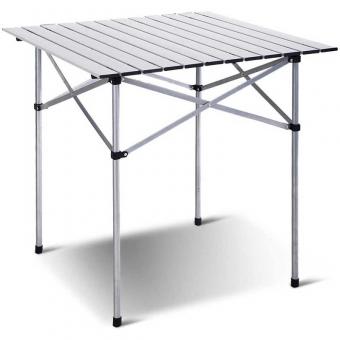
Marque : USINE ANHUI FEITEL Fabrication liée : OEM et ODM Produit : Table de pique-nique pliante portable d'extérieur : conception en aluminium légère et durable avec hauteur réglable, installation facile et sac de transport compact pour le camping, les pique-niques et les activités de plein air.
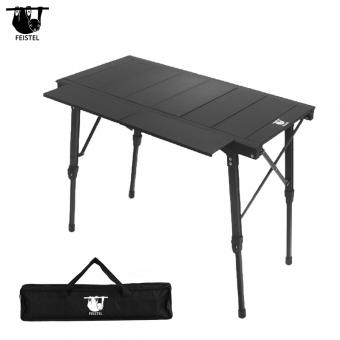
Marque : ANHUI FEITEL USINE Fabrication liée : OEM et ODM Produit : Une table de camping IGT BBQ polyvalente et portable avec des pieds réglables en hauteur. Idéal pour la cuisine en plein air, le camping et les pique-niques. Léger et pliable pour un transport facile.
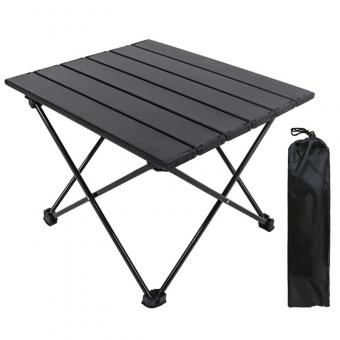
Marque : USINE ANHUI FEITEL Fabrication liée : OEM et ODM Produit : Table pliante en aluminium compacte et légère, parfaite pour le camping, la plage ou les activités de plein air. Facile à transporter, robuste et idéal pour contenir des aliments et des boissons.
Marque : USINE ANHUI FEISTEL Fabrication de relations : OEM et ODM Produit : Cette chaise longue de camping pliable en bois est dotée d'un cadre robuste, d'une conception inclinable ergonomique et d'une structure pliante compacte, parfaite pour se détendre à la plage, au camping ou dans l'arrière-cour.
Marque : USINE ANHUI FEISTEL Fabrication de relations : OEM et ODM Produit : Cette chaise de camping pliante d'extérieur avec cadre en aluminium est dotée d'un dossier réglable, d'une conception légère mais robuste, offrant un confort portable pour le camping, les sorties à la plage, les pique-niques et la détente en plein air.
Marque : USINE ANHUI FEISTEL Fabrication liée : OEM et ODM Produit : Ce mini tabouret de randonnée combine un tissu Oxford résistant et pliable avec une poche astucieuse faisant office de trousse, offrant portabilité, confort et praticité pour le camping et les aventures en plein air.
Marque : USINE ANHUI FEISTEL Fabrication de relations : OEM et ODM Produit : Le lit de couchage de voyage pour équipement de randonnée en gros est un lit de camping pliable à hauteur réglable offrant un support robuste, une portabilité facile et un repos confortable pour les aventures en plein air.
Marque : USINE ANHUI FEITEL Fabrication liée : OEM et ODM Produit : Un lit de camping pliant portable ultraléger et compact, idéal pour la randonnée, doté d'un cadre durable, d'une installation facile et d'un sac de transport pratique pour les voyages.
bulletin
abonnez-vous à notre newsletter pour recevoir des nouvelles, des mises à jour, et des offres spéciales par e-mail.