Camping en intersaison : comment superposer une couverture de poche pour plus de chaleur
2026-02-26
Le camping en intersaison – ces périodes magiques du printemps et de l'automne où la foule estivale a disparu et où la nature offre ses plus beaux spectacles – propose des expériences en plein air parmi les plus enrichissantes. L'air y est d'une fraîcheur idéale, les sentiers donnent l'impression d'être dans un refuge privé, et les emplacements de camping offrent une tranquillité que les campeurs d'été ne connaissent jamais.
Cependant, cette beauté changeante s'accompagne d'un défi particulier : des températures qui varient considérablement, passant d'après-midi chauds à des nuits étonnamment froides. Un simple sac de couchage s'avère souvent insuffisant dans ces conditions, laissant les campeurs grelotter ou transpirer sans solution intermédiaire confortable. C'est là qu'intervient la modeste couverture de poche : une solution légère et compacte qui peut transformer votre système de couchage lorsqu'elle est utilisée de manière stratégique. Ce guide explore comment maîtriser l'art de la superposition de couvertures pour le camping en intersaison, vous assurant ainsi de rester au chaud sans avoir trop chaud, et confortable sans vous encombrer de matériel superflu.
Comprendre les défis de l'entre-saison
Qu'est-ce qui définit le camping en intersaison ?
La saison intermédiaire désigne les périodes situées entre les périodes de pointe et de basse saison touristique, généralement le printemps (d'avril à début juin) et l'automne (de septembre à octobre) dans les régions tempérées.
Durant ces périodes, vous profiterez de températures diurnes plus douces, idéales pour la randonnée, de moins d'insectes (adieu moucherons et guêpes !) et de tarifs de camping considérablement réduits.
Cependant, les conditions météorologiques sont notoirement imprévisibles. Un après-midi ensoleillé peut se transformer en un froid glacial à minuit, et les averses printanières ou les vagues de froid automnales peuvent survenir presque sans prévenir.
.
Le problème de la variabilité de la température
Le principal défi du camping en intersaison réside dans les variations de température. Les températures maximales en journée peuvent atteindre un agréable 18-22 °C, idéal pour les activités de plein air. Mais une fois le soleil couché, elles peuvent chuter à 4-7 °C, voire moins.
Votre sac de couchage d'été, conçu pour vous garder au chaud toute la nuit, devient insuffisant. À l'inverse, un sac de couchage d'hiver épais vous fera transpirer même par temps doux. C'est là que les approches modulaires et multicouches, inspirées des systèmes vestimentaires, s'avèrent précieuses pour votre équipement de couchage.
.
La couverture de poche : un accessoire sous-estimé
Qu'est-ce qui rend une couverture de poche spéciale ?
Une couverture de poche est exactement ce que son nom indique : une couverture conçue pour se replier sur elle-même et tenir dans une poche ou un sac de rangement. Contrairement aux plaids en laine épais ou aux couvertures polaires volumineuses, les couvertures de poche de qualité utilisent des matériaux techniques pour offrir chaleur et légèreté. La plupart sont fabriquées à partir de tissus synthétiques légers, souvent en nylon ou en polyester, dotés de propriétés isolantes qui emprisonnent la chaleur corporelle tout en restant très compressibles. Associées à des matériaux réfléchissants comme ceux des couvertures de survie, elles peuvent considérablement améliorer le rapport chaleur/poids de votre système de couchage.
.
Pourquoi les couvertures sont préférables aux sacs de couchage individuels pour les intersaisons
Les sacs de couchage traditionnels offrent une isolation fixe : soit on est dedans, soit on n’y est pas, avec peu de possibilités d’ajustement. Les couvertures, en revanche, offrent une grande flexibilité. On peut les utiliser partiellement drapées, entièrement recouvertes, ou les combiner avec son sac de couchage de multiples façons. Cette adaptabilité est idéale pour s’adapter à la météo imprévisible de l’entre-saison, permettant d’ajuster sa température au fur et à mesure que les conditions changent pendant la nuit.
.
La science des couches pour rester au chaud
Comment fonctionne la perte de chaleur en camping
Comprendre les principes fondamentaux de la physique thermique permet de comprendre le fonctionnement du système de couches. Le corps perd de la chaleur par quatre mécanismes : la conduction (contact direct avec des surfaces froides, comme le sol), la convection (chaleur transportée par l’air en mouvement), le rayonnement (chaleur infrarouge qui s’échappe dans l’espace) et l’évaporation (l’humidité emporte la chaleur).
Un système de couchage bien conçu prend en compte chaque voie de transmission de la chaleur. L'isolation du sol limite la conduction. Les couches coupe-vent bloquent la convection. Les couches réfléchissantes combattent le rayonnement. Et les matériaux respirants gèrent l'évaporation.
.
Le principe de « l'air mort »
L'air immobile est l'un des meilleurs isolants naturels. En superposant correctement les couvertures, on crée de multiples poches d'air emprisonnées entre chaque couche. Ces poches ralentissent considérablement le transfert de chaleur. Cependant, si l'on comprime ces poches d'air — en utilisant trop de couches denses ou en s'allongeant directement dessus — on perd leur pouvoir isolant.
C’est pourquoi l’épaisseur est importante, mais l’espacement stratégique entre les couches l’est tout autant.
Votre première couche doit être en contact direct avec votre sac de couchage ou, par temps plus doux, servir de couverture principale. Pour cela, choisissez un
couverture respirante et évacuant l'humidité
Idéalement, un tissu fabriqué à partir de fibres naturelles comme la laine mérinos ou un mélange laine-coton. La laine possède des propriétés uniques : elle absorbe jusqu’à 30 % de son poids en humidité avant de paraître humide, et elle génère une douce chaleur exothermique lorsqu’elle est humide.
Cette couche régule l'humidité produite par votre corps pendant le sommeil, évitant ainsi cette sensation d'humidité qui peut entraîner des frissons plus tard.
Si vous utilisez une couverture de poche principalement composée de matériaux synthétiques, assurez-vous qu'elle possède de bonnes propriétés d'évacuation de l'humidité. Certains campeurs trouvent utile d'ajouter une couverture de poche.
doublure de sac de couchage
Sous la couverture, on améliore la gestion de la chaleur et de l'humidité
.
Étape 2 : Le noyau isolant
La couche intermédiaire assure l'essentiel de votre protection thermique. C'est là que votre sac de couchage ou une couverture isolante plus épaisse entre en jeu. Si vous utilisez une couverture de poche avec un sac de couchage, placez la couverture de poche en dessous.
sur
Le sac de couchage, et non pas en dessous. Cela permet au gonflant du sac de couchage de rester intact tandis que la couverture emprisonne l'air chaud supplémentaire au-dessus.
.
Pour ceux qui utilisent plusieurs couvertures, tenez compte de ce principe : votre
La couche intermédiaire doit avoir un volume important.
pour créer ces précieux espaces d'air mort. Les couvertures en duvet offrent un rapport chaleur/poids exceptionnel, mais perdent de leur isolation lorsqu'elles sont mouillées. Les garnissages synthétiques sont plus performants par temps humide, un critère important pour le camping en intersaison, où l'humidité est fréquente.
.
Étape 3 : La barrière réfléchissante
C'est là que les couvertures de poche révèlent tout leur potentiel.
couvertures légères
incorporer ou peuvent être associés à
matériaux réfléchissants
semblables aux couvertures de survie. Ces surfaces réfléchissantes renvoient la chaleur corporelle émise vers vous plutôt que de la laisser s'échapper dans l'air froid de la nuit.
.
Pour maximiser cet effet : placez la couverture réfléchissante comme votre
couche la plus externe
(ou entre votre couche isolante et votre enveloppe extérieure). La face brillante doit être orientée vers l'intérieur, contre votre corps, pour réfléchir la chaleur. Cependant, assurez-vous que cette couche ne soit pas directement en contact avec votre peau ou votre sac de couchage, car les matériaux réfléchissants non respirants peuvent emprisonner l'humidité et entraîner des problèmes de condensation.
Créez un petit espace d'air entre la couche réfléchissante et vos couches isolantes pour permettre à la vapeur d'eau de s'échapper tout en réfléchissant la chaleur.
.
Un utilisateur d'un forum, qui expérimentait des configurations similaires, a constaté avec succès l'utilisation d'une couverture en mylar comme couche extérieure sur des matériaux isolants, en veillant à un espacement adéquat pour éviter la condensation, prouvant ainsi que même les solutions artisanales peuvent être efficaces.
.
Étape 4 : La coque coupe-vent
La dernière couche remplit une double fonction : bloquer les pertes de chaleur par convection (vent) et fournir une isolation supplémentaire. Il pourrait s'agir d'une
couverture extérieure imperméable
, un sac de bivouac, ou même une bâche bien conçue qui se ferme hermétiquement autour de votre zone de couchage
L'essentiel est de créer une barrière qui empêche l'air en mouvement de dissiper la chaleur soigneusement emprisonnée.
Si votre couverture de poche n'est pas résistante au vent, réfléchissez à la façon dont vous pourriez la combiner avec d'autres équipements.
couverture en laine de style militaire
peut servir d'excellente couche extérieure par temps sec, conservant ses propriétés isolantes même lorsqu'elle est humide
Dans les environnements humides, une couche extérieure imperméable mais respirante s'avère indispensable.
Étape 5 : Intégration de l’isolation au sol
On ne peut parler de chaleur sans évoquer ce qui se trouve sous nos pieds. Le sol agit comme un immense dissipateur de chaleur, absorbant la chaleur de notre corps par conduction.
Dans de nombreuses situations, votre matelas de sol est en réalité plus important que votre isolation supérieure.
Lorsque vous superposez des couvertures, tenez compte de leur compatibilité avec votre matelas de sol. En les coinçant sous votre corps, vous comprimez leur isolation et les rendez inefficaces. Assurez-vous plutôt que votre matelas de sol offre une isolation suffisante.
Valeur R
(Indice d'isolation) : pour les conditions climatiques, visez une valeur R de 3 ou plus pour le camping en intersaison.
Disposez ensuite vos couvertures de manière à ce qu'elles recouvrent les côtés, créant ainsi un effet cocon qui emprisonne la chaleur sans compression.
Une approche modulaire pour le couchage — associant matelas, sac de couchage et couvertures aux conditions — offre les meilleures performances pour un poids et un volume emballé minimaux.
.
Guide de sélection des matériaux
Fibres naturelles : laine et coton
La laine mérite une attention particulière pour le camping en intersaison. La laine mérinos, avec des fibres d'un diamètre inférieur à 19,5 microns, offre une douceur incomparable au contact de la peau, sans provoquer de démangeaisons.
Elle évacue naturellement l'humidité, résiste aux odeurs et conserve ses propriétés isolantes même humide. La structure frisée des fibres de laine crée des poches d'air résistantes à la compression, ce qui signifie que votre couverture en laine continue d'isoler même sous un poids partiel.
.
Le coton, bien que confortable, est peu performant lorsqu'il est mouillé et est généralement à éviter pour le camping actif. Cependant, les vêtements extérieurs en toile de coton offrent une excellente protection contre le vent et les intempéries lorsqu'ils restent secs.
.
Options synthétiques
Les couvertures synthétiques modernes offrent des performances impressionnantes, notamment en milieu humide. Des matériaux comme
PrimaLoft
et d'autres isolants de pointe imitent le gonflant du duvet tout en conservant leurs propriétés isolantes même en cas d'humidité.
Couvertures en polaire et en poils longs
Elles offrent un excellent rapport chaleur/poids et sèchent rapidement, ce qui les rend idéales pour les environnements humides.
.
L'avantage de la réflexion
Couvertures intégrant ou conçues pour être associées à
films métallisés réfléchissants
(comme les couvertures de survie) offrent un gain de chaleur considérable pour un poids minimal. Ces matériaux réfléchissent jusqu'à 90 % de la chaleur corporelle rayonnée vers vous.
Cependant, leur manque de respirabilité exige une gestion attentive afin d'éviter l'accumulation d'humidité.
.
Le magazine Backpacker présente sept techniques permettant de sauver des vies grâce aux couvertures de survie, notamment en les utilisant comme réflecteurs de chaleur pour renvoyer la chaleur du feu vers soi, ou en enveloppant une personne en hypothermie « à la manière d’un burrito », la face réfléchissante à l’intérieur, par-dessus des vêtements chauds et un sac de couchage.
.
Scénarios d'application pratique
Scénario A : Installation du camp de base
Pour le camping en voiture ou les situations de camp de base où le poids n'est pas un facteur critique, considérez ce système à trois couches :
Base
: Un drap de sac de couchage respirant ou une couverture légère en laine contre la peau
Cœur
Votre sac de couchage habituel (conçu pour des températures de 5 à 10 °C supérieures à la température prévue)
Extérieur
Couverture de poche réfléchissante à placer par-dessus le sac de couchage, avec une couche extérieure résistante à l'eau pour les nuits venteuses.
Cette configuration permet un réglage facile : retirez la couche réfléchissante lors des nuits plus douces, ajoutez-la lorsque les températures chutent de façon inattendue.
Scénario B : L'approche ultralégère
Pour les routards soucieux de chaque gramme, un système minimaliste pourrait inclure :
UN
couette légère
(gain de poids par rapport aux sacs pleins)
UN
couverture de poche multifonctionnelle
aux propriétés réfléchissantes
Utilisation stratégique des vêtements superposés comme isolation supplémentaire
Cette approche modulaire vous permet de vous adapter aux conditions changeantes sans avoir à transporter un équipement spécifique pour chaque éventualité.
.
Scénario C : Mise à niveau d’urgence
Parfois, on arrive au campement sans être préparé au froid qui s'y installe. Dans ces cas-là, la couverture de poche devient une véritable bouée de sauvetage.
outil de survie essentiel
Utilisez-le pour :
Créez un écran thermique réfléchissant autour de votre feu de camp
Ajoutez une couche de survie à l'intérieur de votre sac de couchage.
Aménagez un abri d'urgence si votre abri principal ne fonctionne pas.
Erreurs courantes à éviter
Erreur n° 1 : Superposition de vêtements sans respirabilité
L'ajout de trop de couches denses et non respirantes emprisonne l'humidité contre votre corps. À mesure que l'humidité augmente sous ces couches, le mécanisme naturel de refroidissement de votre peau (l'évaporation) est ralenti, créant un microclimat humide et suffocant.
Veillez toujours à ce que votre couche intérieure permette au moins à la vapeur d'eau de s'échapper.
Erreur n° 2 : Compression de l’isolant
Le fait de s'allonger directement sur les couvertures les comprime, éliminant les espaces d'air morts et détruisant leur pouvoir isolant. Conservez l'isolation.
autour
vous, non compressé
sous
toi
.
Erreur n° 3 : Négliger l’isolation du sol
Même le système de couverture le plus sophistiqué est inefficace si la chaleur s'échappe par le sol. Investissez dans un matelas de sol avec une valeur R adaptée à vos conditions.
.
Erreur 4 : Association de matériaux inadaptés
Certaines associations de matières sont incompatibles. Par exemple, associer une couverture en laine à une polaire en polyester peut créer une « concurrence en matière d'évacuation de l'humidité », les deux matières tentant de gérer l'humidité, ce qui ralentit en réalité l'évaporation.
Les fibres naturelles s'associent généralement bien, tout comme les fibres synthétiques aux propriétés similaires.
Entretien et maintenance
Pour garantir que votre couverture de poche soit performante en cas de besoin :
Rangez-le roulé ou plié sans serrer, sans jamais le compresser à long terme.
Nettoyer conformément aux instructions du fabricant ; la laine nécessite un entretien délicat
Vérifier périodiquement le décollement des revêtements réfléchissants.
Gardez les couvertures au sec entre deux utilisations ; l’humidité dégrade leurs propriétés isolantes.
Le camping en intersaison offre des avantages que les foules estivales ne connaissent jamais : la solitude, une nature luxuriante et un lien plus profond avec le grand air.
Pour profiter pleinement de ces avantages, il est essentiel de maîtriser les conditions changeantes grâce à un choix judicieux d'équipement. Une couverture de poche, bien intégrée à votre système de couchage, se transforme d'un simple accessoire en un outil indispensable. En comprenant les principes de la déperdition de chaleur, en choisissant des matériaux complémentaires et en évitant les erreurs courantes, vous pouvez créer un système de couchage qui s'adapte à toutes les caprices de l'entre-saison. Que vous contempliez la brume se lever sur un lac, une tasse de thé à la main, ou que vous écoutiez la pluie d'automne bien au chaud dans votre abri, un système de superposition de vêtements adapté vous garantit de rester suffisamment au chaud pour savourer chaque instant.
.
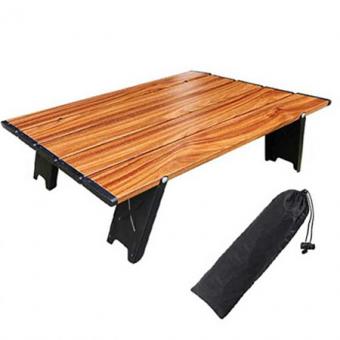
Marque : USINE ANHUI FEITEL Fabrication liée : OEM et ODM Produit : Une petite table de pique-nique légère et pliable, parfaite pour les activités de plein air. Fabriqué à partir de matériaux durables, il est portable et facile à installer.
Marque : USINE ANHUI FEISTEL Fabrication de relations : OEM et ODM Produit : La chaise de lune pliable en fer métallique léger et personnalisé offre un soutien et un confort durables, idéale pour le camping en plein air, avec une conception compacte et portable pour un transport et un stockage faciles.
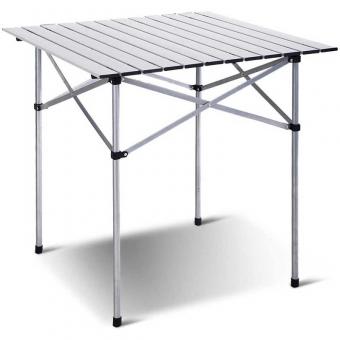
Marque : USINE ANHUI FEITEL Fabrication liée : OEM et ODM Produit : Table de pique-nique pliante portable d'extérieur : conception en aluminium légère et durable avec hauteur réglable, installation facile et sac de transport compact pour le camping, les pique-niques et les activités de plein air.
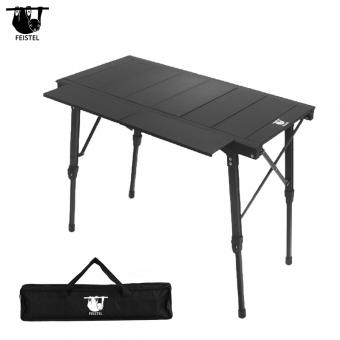
Marque : ANHUI FEITEL USINE Fabrication liée : OEM et ODM Produit : Une table de camping IGT BBQ polyvalente et portable avec des pieds réglables en hauteur. Idéal pour la cuisine en plein air, le camping et les pique-niques. Léger et pliable pour un transport facile.
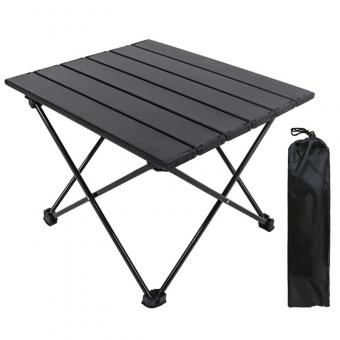
Marque : USINE ANHUI FEITEL Fabrication liée : OEM et ODM Produit : Table pliante en aluminium compacte et légère, parfaite pour le camping, la plage ou les activités de plein air. Facile à transporter, robuste et idéal pour contenir des aliments et des boissons.
Marque : USINE ANHUI FEISTEL Fabrication de relations : OEM et ODM Produit : Cette chaise longue de camping pliable en bois est dotée d'un cadre robuste, d'une conception inclinable ergonomique et d'une structure pliante compacte, parfaite pour se détendre à la plage, au camping ou dans l'arrière-cour.
Marque : USINE ANHUI FEISTEL Fabrication de relations : OEM et ODM Produit : Cette chaise de camping pliante d'extérieur avec cadre en aluminium est dotée d'un dossier réglable, d'une conception légère mais robuste, offrant un confort portable pour le camping, les sorties à la plage, les pique-niques et la détente en plein air.
Marque : USINE ANHUI FEISTEL Fabrication liée : OEM et ODM Produit : Ce mini tabouret de randonnée combine un tissu Oxford résistant et pliable avec une poche astucieuse faisant office de trousse, offrant portabilité, confort et praticité pour le camping et les aventures en plein air.
Marque : USINE ANHUI FEISTEL Fabrication de relations : OEM et ODM Produit : Le lit de couchage de voyage pour équipement de randonnée en gros est un lit de camping pliable à hauteur réglable offrant un support robuste, une portabilité facile et un repos confortable pour les aventures en plein air.
Marque : USINE ANHUI FEITEL Fabrication liée : OEM et ODM Produit : Un lit de camping pliant portable ultraléger et compact, idéal pour la randonnée, doté d'un cadre durable, d'une installation facile et d'un sac de transport pratique pour les voyages.
bulletin
abonnez-vous à notre newsletter pour recevoir des nouvelles, des mises à jour, et des offres spéciales par e-mail.