Tableau des tailles des bâtons de ski : Conformité aux normes des marchés européens et américains pour les commandes en gros
2026-03-18
Pour les acheteurs en gros et les importateurs de matériel de ski, la réglementation relative aux tailles de bâtons de ski est bien plus complexe que la simple impression d'un tableau de conversion. Lors de commandes portant sur des milliers d'unités destinées aux marchés européens et américains, la compréhension des exigences de conformité liées aux tailles de bâtons de ski devient essentielle pour éviter des rappels de produits coûteux, des retards douaniers et des problèmes de responsabilité.
Ce guide complet examine les normes techniques, les exigences d'étiquetage et les cadres réglementaires régissant les tableaux de tailles des bâtons de ski sur les marchés de l'UE et des États-Unis, fournissant des informations exploitables aux acheteurs en gros qui s'approvisionnent pour la distribution internationale.
Pourquoi le respect du tableau des tailles est important pour les commandes en gros
Au-delà des simples mesures
dimensionnement des bâtons de ski
Il ne s'agit pas seulement d'adapter la hauteur à la longueur, mais aussi de garantir que l'équipement respecte les normes de sécurité et de performance établies sur chaque marché cible. Pour les acheteurs en gros, la non-conformité peut entraîner :
Les douanes retiennent
et les refus d'expédition aux ports d'entrée
exposition à la responsabilité du produit
si des poteaux de taille inadaptée contribuent aux blessures
Atteinte à la réputation
suite à des rappels ou à des avis négatifs
pertes financières
du reconditionnement, du réétiquetage ou de l'élimination des stocks non conformes
Comprendre les exigences spécifiques en matière de tableaux de tailles de bâtons de ski sur chaque marché n'est donc pas une option ; c'est un élément fondamental d'un approvisionnement international réussi.
Normes du marché de l'UE : le cadre réglementaire
EN ISO 7331 : La norme européenne
La norme principale régissant les bâtons de ski alpin sur le marché européen est
EN ISO 7331
, qui spécifie les exigences minimales relatives aux bâtons de ski alpin et à leurs composants. Cette norme couvre :
Spécifications dimensionnelles et tolérances
Exigences de résistance pour les tiges et les paniers
exigences de sécurité relatives aux poignées et aux sangles
Obligations de marquage et d'étiquetage
Pour les tableaux de tailles, la conformité à la norme EN ISO 7331 signifie que les longueurs de poteaux indiquées doivent correspondre à des produits qui répondent à ces exigences structurelles et de sécurité pour chaque longueur spécifiée.
Exigences de marquage CE
Les bâtons de ski vendus dans l'Union européenne doivent porter le
Marquage CE
, indiquant la conformité à la législation européenne applicable. Pour les acheteurs en gros, cela signifie :
Assurez-vous que votre fournisseur fournit des poteaux qui ont été testés et certifiés conformes à la norme EN ISO 7331.
Tenue de la documentation de conformité (Déclaration de conformité)
Vérifier que les tests spécifiques à la taille couvrent toute la gamme des longueurs que vous importez.
Le marquage CE doit être apposé sur le produit lui-même ou sur son emballage, et les informations relatives à la taille doivent être clairement visibles et précises.
Marque GS (Geprüfte Sicherheit)
Bien que volontaire, le
Marque GS
La certification de sécurité allemande (GS) est très réputée sur le marché allemand et atteste qu'un organisme de contrôle indépendant a vérifié la conformité aux normes de sécurité. Les acheteurs en gros ciblant le marché germanophone (Allemagne, Autriche, Suisse) constateront peut-être que les poteaux certifiés GS inspirent davantage confiance aux consommateurs et justifient un prix plus élevé.
Exigences en matière d'emballage et d'étiquetage
La réglementation européenne exige que l'emballage des bâtons de ski comprenne :
Indication de longueur en centimètres (cm)
Classification de l'usage prévu (alpinisme, randonnée, etc.)
Avertissements de sécurité et instructions d'utilisation
identification du fabricant/importateur
Marquage CE
Les tableaux de tailles inclus dans l'emballage ou les supports marketing doivent refléter avec précision les longueurs mesurées réelles des poteaux et ne peuvent induire les consommateurs en erreur quant à la taille par rapport à leur hauteur.
Normes du marché américain : s’orienter dans un contexte différent
ASTM F3294-17 : La norme américaine
Le marché américain fonctionne selon des normes élaborées par
ASTM International
Pour les bâtons de ski alpin, la norme applicable est :
ASTM F3294-17
, qui définit les exigences de performance et les méthodes d'essai. Principales différences par rapport aux normes de l'UE :
Différents protocoles de test pour la résistance et la durabilité
Variations dans les exigences d'étiquetage
Voies de conformité distinctes (autocertification vs. tests par un tiers)
Les acheteurs en gros doivent s'assurer que leurs fournisseurs peuvent fournir une documentation démontrant la conformité à la norme ASTM F3294-17 pour toutes les longueurs de poteaux de leur commande.
Surveillance de la CPSC et de la sécurité des consommateurs
Bien que non spécifique aux bâtons de ski, le
Commission de la sécurité des produits de consommation (CPSC)
supervise la sécurité des produits sur le marché américain. Les importateurs doivent s'assurer que leurs produits sont conformes aux normes suivantes :
CPSIA (Loi sur l'amélioration de la sécurité des produits de consommation)
exigences relatives aux étiquettes de suivi
Contenu principal
restrictions (applicables aux surfaces et composants peints)
Restrictions relatives aux phtalates
pour les composants en plastique (poignées, paniers)
Ces exigences s'appliquent quelle que soit la longueur du poteau et doivent être prises en compte dans la planification de la conformité.
Considérations au niveau de l'État
La Californie
Proposition 65
impose des exigences d'étiquetage supplémentaires pour les produits contenant des substances chimiques répertoriées. Pour les bâtons de ski, cela peut concerner :
poignées en PVC contenant des phtalates
Peintures et revêtements contenant des métaux lourds
Certains plastiques utilisés dans les paniers
Les acheteurs en gros distribuant à l'échelle nationale doivent soit garantir la conformité à la Proposition 65, soit fournir les avertissements appropriés, ce qui peut affecter la conception de l'emballage et la présentation du tableau des tailles.
Analyse comparative : normes de l'UE et normes américaines
Aspect
Marché de l'UE
Marché américain
Norme primaire
EN ISO 7331
ASTM F3294-17
Approche de certification
Marquage CE (autocertification ou certification par un organisme tiers)
Autocertification sous la supervision de la CPSC
Mesure de longueur
Généralement, de la pointe jusqu'au haut de la poignée
Même
Exigences d'étiquetage
Marquage CE, longueur en cm, identifiant du fabricant
Étiquette de suivi, marquage d'origine
Restrictions chimiques
REACH (SVHC, phtalates)
CPSIA (plomb, phtalates), Prop 65 (CA)
Documentation de test
Dossier technique, Déclaration de conformité
Certificat de produit pour enfants (le cas échéant)
Surveillance du marché
autorités des États membres de l'UE
CPSC
Élaboration de tableaux de tailles conformes pour les commandes en gros
Mesure précise de la longueur
Tout tableau des tailles conforme repose sur une mesure précise de la longueur. Conformément aux normes de l'industrie, la longueur d'un bâton de ski se mesure de la pointe jusqu'au sommet de la poignée (dragonne exclue). Pour les commandes en gros, cela signifie :
Mise en place de protocoles de mesure cohérents pour tous les lots de production
Vérifier que les longueurs réelles des poteaux correspondent aux longueurs spécifiées dans les tolérances acceptables.
Documentation des méthodes de mesure pour les enregistrements de contrôle de la qualité
Détermination de la gamme de tailles
Pour les acheteurs en gros, déterminer les tailles à stocker nécessite de comprendre les préférences spécifiques du marché :
marché de l'UE
Une gamme de tailles plus large est généralement nécessaire (de 90 cm à 145 cm) en raison de la diversité des populations de skieurs et des besoins en ski de randonnée alpine.
marché américain
Demande concentrée sur les tailles moyennes (105 cm à 130 cm) avec moins de variations aux extrêmes.
Le tableau ci-dessous présente les tailles typiques en fonction de la taille du skieur :
Hauteur du skieur
Longueur de poteau recommandée (cm)
Moins de 122 cm (4'0")
65-75
4'0" – 4'4" (122-132 cm)
75-85
135-145 cm (4'5" – 4'9")
85-95
4'10" – 5'2" (147-157 cm)
95-105
160-170 cm (5'3" – 5'7")
105-115
173-183 cm (5'8" – 6'0")
115-125
185-196 cm (6'1" – 6'5")
125-135
Plus de 196 cm (6'5")
135-145
Exigences multilingues
Pour les expéditions à destination de l'UE, les guides des tailles et les emballages doivent être multilingues. L'UE exige que les informations de sécurité soient fournies dans la ou les langues officielles de l'État membre où les produits sont vendus. Voici quelques pistes pratiques :
Panneaux multilingues
sur les emballages couvrant les principales langues de l'UE
pictogrammes
qui transcendent les barrières linguistiques pour les conseils de taille
codes QR
liens vers des tableaux de tailles en ligne dans plusieurs langues
Qualification des fournisseurs en matière de conformité
Exigences en matière de documentation
Lors de la sélection des fournisseurs pour des commandes groupées de bâtons de ski, demandez :
Rapports de test
des laboratoires accrédités ISO 17025 confirmant la conformité aux normes EN ISO 7331 ou ASTM F3294-17
Déclaration de conformité
(UE) ou certificat de produit pour enfants (le cas échéant aux États-Unis)
Fiches de données de sécurité des matériaux
pour les poignées, les paniers et les revêtements
Documentation de conformité REACH
(pour les envois à destination de l'UE)
Déclarations relatives à la Proposition 65
(pour les envois à destination des États-Unis)
Audits d'usine
Envisagez de réaliser ou de commander des audits d'usine pour vérifier :
Processus de contrôle de la qualité pour la constance de la longueur
Capacités de test et tenue de registres
Compréhension des exigences du marché d'exportation
Systèmes de traçabilité pour l'identification des lots
Vérification d'échantillons
Avant de passer des commandes en gros, vérifiez les échantillons pour :
Longueur mesurée réelle par rapport à la longueur annoncée
Cohérence entre plusieurs unités de même taille
Précision du marquage et de l'étiquetage
Conditionnement complet (y compris les tableaux de tailles)
Pièges courants en matière de conformité pour les acheteurs en gros
Piège n° 1 : Supposer qu’un seul tableau de tailles convient à tous les marchés
L'utilisation d'un tableau des tailles unique sans adaptation aux normes locales expose à des risques de non-conformité. Par exemple, les marchés de l'UE peuvent exiger des indications de taille plus précises pour les jeunes skieurs, tandis que les marchés américains peuvent privilégier des méthodes de mesure différentes.
Piège n° 2 : Négliger les normes mises à jour
Les normes EN ISO et ASTM sont régulièrement mises à jour. Les acheteurs en gros doivent s'assurer que leurs produits sont conformes à la version en vigueur de chaque norme, et non à des spécifications obsolètes.
Piège n° 3 : Documentation technique incomplète
Les autorités douanières demandent de plus en plus de documents techniques lors du dédouanement. L'absence de déclarations de conformité ou de rapports d'essais peut retarder les expéditions pendant des semaines.
Piège n° 4 : Étiquetage de longueur incohérent
Les poteaux étiquetés avec une longueur mais mesurant une autre peuvent induire le consommateur en erreur et engendrer des risques juridiques. Mettez en place un contrôle qualité rigoureux afin de garantir que les longueurs indiquées correspondent aux mesures réelles, dans les limites de tolérance.
Meilleures pratiques pour les acheteurs en gros
1. Élaborer des matrices de conformité spécifiques au marché
Créez des matrices détaillées de suivi des exigences pour chaque marché cible, incluant :
Normes et versions applicables
Exigences en matière d'étiquetage et de marquage
Restrictions chimiques
Besoins en documentation
2. Intégrer la conformité dans les contrats d'achat
Inclure des clauses de conformité spécifiques dans les contrats fournisseurs exigeant :
Certification conforme aux normes en vigueur
Fourniture de rapports d'essais et de documentation technique
Droit de consulter les dossiers d'usine et d'essais
Indemnisation en cas de non-conformité
3. Tenir à jour les dossiers techniques
Pour chaque gamme de produits et chaque taille, veuillez maintenir :
Rapports de test pour chaque longueur de poteau
Déclarations de conformité
Fiches de données de sécurité des matériaux
rapports d'audit d'usine
Exemples de dossiers d'approbation
4. Plan de surveillance du marché
Sachez que les autorités de surveillance du marché, tant dans l'UE qu'aux États-Unis, peuvent contrôler les produits après leur importation. Conservez les documents pendant au moins 10 ans (exigence de l'UE) et répondez rapidement aux demandes de renseignements.
Le coût de la non-conformité
L'impact financier du non-respect des règles peut être considérable :
Scénario de non-conformité
Coût potentiel
Saisie douanière d'un conteneur
Valeur totale du conteneur + frais de surestaries
Rappel de produit
50 000 $ à plus de 500 000 $ selon l'échelle
Défense juridique en cas de réclamation en responsabilité civile
100 000 $ et plus
Atteinte à la réputation de la marque
Incalculable
futures restrictions à l'importation
Perte d'accès au marché
La conformité comme avantage concurrentiel
Pour les acheteurs de bâtons de ski en gros, considérer la conformité aux tableaux de tailles comme une simple formalité réglementaire est une vision occultée. Les fournisseurs qui mettent en œuvre des programmes de conformité rigoureux – tableaux de tailles précis, certifications appropriées, documentation complète – se démarquent sur un marché concurrentiel.
Les détaillants et les distributeurs recherchent de plus en plus des partenaires capables de garantir la conformité réglementaire, réduisant ainsi leur responsabilité et simplifiant leur processus d'approvisionnement. En maîtrisant les normes européennes et américaines relatives au dimensionnement des bâtons de ski, les acheteurs en gros se positionnent comme des partenaires de confiance plutôt que comme de simples fournisseurs de produits de base.
L'investissement dans la compréhension des normes EN ISO 7331 et ASTM F3294-17, la tenue à jour de la documentation technique et la vérification de la conformité des fournisseurs porte ses fruits : dédouanement simplifié, réduction des risques et renforcement des relations clients. Dans le secteur concurrentiel de l'importation et de la distribution de matériel de ski, la conformité ne se limite pas au respect des exigences ; elle constitue le socle d'une croissance durable et rentable.
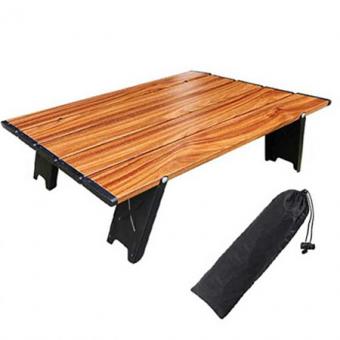
Marque : USINE ANHUI FEITEL Fabrication liée : OEM et ODM Produit : Une petite table de pique-nique légère et pliable, parfaite pour les activités de plein air. Fabriqué à partir de matériaux durables, il est portable et facile à installer.
Marque : USINE ANHUI FEISTEL Fabrication de relations : OEM et ODM Produit : La chaise de lune pliable en fer métallique léger et personnalisé offre un soutien et un confort durables, idéale pour le camping en plein air, avec une conception compacte et portable pour un transport et un stockage faciles.
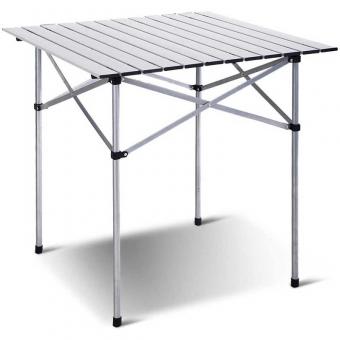
Marque : USINE ANHUI FEITEL Fabrication liée : OEM et ODM Produit : Table de pique-nique pliante portable d'extérieur : conception en aluminium légère et durable avec hauteur réglable, installation facile et sac de transport compact pour le camping, les pique-niques et les activités de plein air.
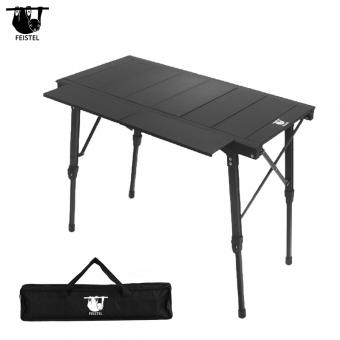
Marque : ANHUI FEITEL USINE Fabrication liée : OEM et ODM Produit : Une table de camping IGT BBQ polyvalente et portable avec des pieds réglables en hauteur. Idéal pour la cuisine en plein air, le camping et les pique-niques. Léger et pliable pour un transport facile.
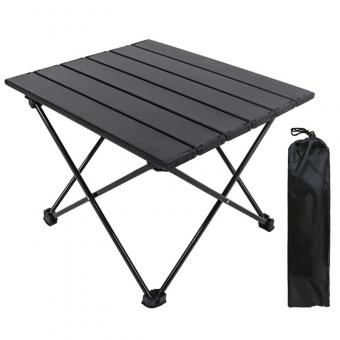
Marque : USINE ANHUI FEITEL Fabrication liée : OEM et ODM Produit : Table pliante en aluminium compacte et légère, parfaite pour le camping, la plage ou les activités de plein air. Facile à transporter, robuste et idéal pour contenir des aliments et des boissons.
Marque : USINE ANHUI FEISTEL Fabrication de relations : OEM et ODM Produit : Cette chaise longue de camping pliable en bois est dotée d'un cadre robuste, d'une conception inclinable ergonomique et d'une structure pliante compacte, parfaite pour se détendre à la plage, au camping ou dans l'arrière-cour.
Marque : USINE ANHUI FEISTEL Fabrication de relations : OEM et ODM Produit : Cette chaise de camping pliante d'extérieur avec cadre en aluminium est dotée d'un dossier réglable, d'une conception légère mais robuste, offrant un confort portable pour le camping, les sorties à la plage, les pique-niques et la détente en plein air.
Marque : USINE ANHUI FEISTEL Fabrication liée : OEM et ODM Produit : Ce mini tabouret de randonnée combine un tissu Oxford résistant et pliable avec une poche astucieuse faisant office de trousse, offrant portabilité, confort et praticité pour le camping et les aventures en plein air.
Marque : USINE ANHUI FEISTEL Fabrication de relations : OEM et ODM Produit : Le lit de couchage de voyage pour équipement de randonnée en gros est un lit de camping pliable à hauteur réglable offrant un support robuste, une portabilité facile et un repos confortable pour les aventures en plein air.
Marque : USINE ANHUI FEITEL Fabrication liée : OEM et ODM Produit : Un lit de camping pliant portable ultraléger et compact, idéal pour la randonnée, doté d'un cadre durable, d'une installation facile et d'un sac de transport pratique pour les voyages.
bulletin
abonnez-vous à notre newsletter pour recevoir des nouvelles, des mises à jour, et des offres spéciales par e-mail.