Pourquoi les embouts de vos bâtons de randonnée s'usent rapidement (et comment les faire durer 3 fois plus longtemps)
2026-03-19
Pour les randonneurs, les bâtons de marche sont indispensables : ils réduisent l’impact sur les articulations et offrent une bonne stabilité sur les terrains difficiles. Mais quel que soit votre investissement dans des bâtons de haute qualité, une réalité demeure : les pointes s’usent. Que vous changiez vos embouts en caoutchouc toutes les quelques semaines ou que vous constatiez que vos pointes en carbure s’émoussent après une seule saison, comprendre ce phénomène – et comment l’éviter – vous permettra de faire des économies et de garantir la performance de vos bâtons lorsque vous en aurez le plus besoin.
Ce guide complet explore les mécanismes scientifiques d'usure des pointes de bâtons de randonnée, identifie les facteurs qui accélèrent leur détérioration et propose des stratégies concrètes pour tripler, voire plus, la durée de vie de vos pointes.
Bâtons de randonnée de la plus haute qualité
conseils de fonctionnalités réalisés à partir de
carbure de tungstène
— l'un des matériaux les plus durs disponibles pour cette application
Le carbure de tungstène est le même matériau utilisé dans les forets à béton et les plaquettes d'outillage industriel en raison de sa dureté et de sa résistance à l'usure exceptionnelles.
Une pointe en carbure de qualité peut durer.
plus de 5 000 miles
avant d'avoir besoin d'être remplacé
.
Le principal avantage du carbure est sa capacité à adhérer à la glace, à la roche mouillée et aux terrains compacts tout en conservant sa forme sur des milliers de kilomètres. Les rainures autonettoyantes facilitent l'évacuation de la boue, rendant ces pointes idéales pour 90 % des conditions de sentier.
.
Embouts en acier : l'alternative économique
Certaines perches d'entrée de gamme sont dotées d'embouts en acier trempé. Bien que fonctionnelles, ces pointes en acier n'atteignent pas l'extrême dureté du carbure et s'useront beaucoup plus rapidement.
Si vos perches sont équipées d'embouts en acier et que vous les usez rapidement, opter pour des embouts compatibles avec le carbure pourrait être la solution la plus économique.
Embouts en caoutchouc : le protecteur spécialisé
Les embouts en caoutchouc (souvent appelés « pattes » ou « embouts de route ») ont une fonction différente. Ils sont conçus pour :
Assurer la marche silencieuse sur le trottoir
Protégez les surfaces délicates comme les promenades en bois et le granit.
Réduire les vibrations sur les surfaces dures
Réduisez l'érosion des sentiers
Cependant, les embouts en caoutchouc ont une durée de vie beaucoup plus courte, généralement
1 à 3 saisons
en fonction de l'utilisation
Sur des surfaces abrasives comme l'asphalte, elles peuvent s'user en très peu de temps.
50 à 100 miles
.
Pourquoi vos pourboires s'usent : les principaux coupables
1. Type de terrain et abrasivité
Le facteur le plus important influençant la durée de vie des pointes est la surface sur laquelle vous marchez. Les pointes en carbure sont performantes sur la terre, les rochers et la glace, mais sur le bitume ou le béton :
Créer un bruit de « clic-clac » agaçant
On constate une usure accélérée au point de contact.
Perdre plus rapidement leur profil pointu
À l'inverse, les embouts en caoutchouc s'usent plus rapidement sur les surfaces rugueuses et abrasives. Un pèlerin du Chemin de Saint-Jacques-de-Compostelle a rapporté avoir usé ses embouts en caoutchouc en seulement quelques minutes.
50 km (31 miles)
sur le trottoir espagnol
Ces mêmes conseils pourraient être valables pendant des mois sur les sentiers forestiers meubles.
2. Alignement et usure uniformes
Voici un facteur souvent négligé par les randonneurs : vos bâtons conservent naturellement la même orientation par rapport à votre direction de marche. Avec le temps, cela crée un
usure
où un côté de la pointe s'aplatit tandis que le côté opposé reste presque neuf
Cette usure irrégulière réduit considérablement la durée de vie effective de la pointe, car vous n'utilisez en réalité que 25 % du matériau disponible.
3. Technique inappropriée
La façon dont vous plantez vos tuteurs influe sur l'usure de leurs extrémités. Les mouvements de « piquage » à angle aigu exercent une pression inégale sur les extrémités et peuvent accélérer l'usure d'un côté. Traîner les tuteurs plutôt que de les soulever entre les plantes augmente également l'abrasion.
4. Négliger l'entretien
La saleté, le sable et l'humidité emprisonnés dans les embouts peuvent accélérer l'usure et rendre leur remplacement plus difficile. L'exposition au sel lors de randonnées côtières est particulièrement corrosive.
.
5. Utiliser un embout inadapté au terrain
La cause la plus fréquente d'usure rapide est une simple inadéquation : utiliser des embouts en caoutchouc sur des sentiers abrasifs ou des embouts en carbure sur le bitume alors qu'il faudrait utiliser des protections.
.
Comment tripler la durée de vie des embouts de vos bâtons de randonnée
Stratégie 1 : Maîtriser la technique de rotation
Cette astuce simple permet de doubler, voire de tripler, la durée de vie des pointes en caoutchouc et en carbure. L'usure se concentrant sur une seule face de la pointe en raison de l'orientation constante du pôle,
Faites pivoter vos pointes de 90 degrés tous les deux ou trois jours.
.
Comment procéder :
Tous les 3 à 5 jours de randonnée, desserrez les sections de vos bâtons.
Faites pivoter la partie inférieure (avec la pointe) de 90 degrés par rapport à la partie supérieure.
Resserrer et continuer la randonnée
Cela expose une surface neuve et non usée au sentier, multipliant ainsi la durée de vie de votre spatule par le nombre de rotations effectuées. Les utilisateurs du forum indiquent que cette technique prolonge considérablement la durée de vie des spatules.
.
Stratégie 2 : Utiliser l’embout adapté au terrain
Adopter un
approche hybride
réduit considérablement l'usure des pointes en carbure et en caoutchouc
.
Sélection de pointes adaptées au terrain :
Sentiers de terre, rochers, glace, éboulis
: Pointes en carbure uniquement
Trottoirs, promenades, zones urbaines
: Embouts en caoutchouc sur carbure
Boue profonde ou tourbières
Ajoutez des paniers en terre pour éviter qu'ils ne s'enfoncent.
L'astuce consiste à changer d'embouts de manière proactive. Gardez des embouts en caoutchouc dans votre poche et enfilez-les lorsque vous roulez sur le bitume, puis retirez-les lorsque vous retournez sur la terre.
Cette habitude permet de conserver vos embouts en caoutchouc d'origine en parfait état pendant des années, tout en préservant vos embouts en carbure pour les moments où vous en aurez le plus besoin.
Stratégie 3 : Remplacer de manière proactive, et non réactive
Attendre que vos embouts soient complètement usés pose problème :
Les pointes en carbure usées perdent de l'adhérence sur la roche mouillée et la glace.
Les embouts endommagés sont plus difficiles à retirer.
Vous risquez d'endommager la virole (la bague métallique qui maintient l'embout).
Remplacez les pointes en carbure lorsque la pointe devient visiblement arrondie ou lisse.
Pour les embouts en caoutchouc, remplacez-les lorsque vous commencez à voir apparaître la pointe en carbure.
.
Stratégie 4 : Pensez à l’astuce du bouchon de vin
Pour les randonneurs au budget serré qui marchent principalement sur le bitume,
Les bouchons de liège offrent une alternative étonnamment efficace
embouts en caoutchouc commerciaux
.
Comment ça marche :
Percez un trou de 3/8" et de 0,75" de profondeur dans l'extrémité large d'un bouchon de liège.
Insérer une rondelle de taille 8 (récupérée sur de vieux embouts en caoutchouc)
Enfoncez le bouchon de liège sur l'extrémité de votre poteau et fixez-le avec du ruban isolant.
Ces embouts en liège durent longtemps
50 à 100 miles sur asphalte et béton
, ne coûtent pratiquement rien et offrent d'excellentes possibilités de marche silencieuse
Elles sont particulièrement appréciées des pèlerins du Chemin de Saint-Jacques-de-Compostelle qui doivent parcourir de longs tronçons de trottoir.
Stratégie 5 : Entretien et nettoyage appropriés
Un entretien régulier prolonge considérablement la durée de vie de l'embout.
:
Après chaque randonnée :
Essuyez les embouts avec un chiffon humide pour enlever les particules abrasives.
Inspectez les lieux pour détecter tout dommage ou usure anormale.
Bien sécher avant le stockage
Hebdomadaire pendant les saisons actives :
Vérifiez le tranchant de la pointe en passant le doigt dessus.
Notez toute usure qui se développe.
Après des randonnées boueuses ou sablonneuses :
Nettoyez immédiatement – le grain agit comme du papier de verre sur les pointes
Démontez si nécessaire pour retirer les débris de l'ensemble de l'embout
Alerte critique
Ne jamais lubrifier les fûts des poteaux près de leurs extrémités ; cela peut provoquer des glissements et accélérer l’usure en permettant au poteau de bouger pendant la plantation.
.
Stratégie 6 : Choisir des pièces de rechange de qualité
Lorsqu'un remplacement devient nécessaire, investissez dans la qualité.
La mise à niveau de la pointe en carbure à 15 $ dure plus longtemps que cinq jeux de pattes en caoutchouc.
Les embouts de rechange universels sont largement disponibles et compatibles avec la plupart des perches standard dont la partie inférieure est conique (environ 12 mm).
.
Pour les embouts en caoutchouc, l'achat en gros est avantageux. On trouve des paquets de douze pour moins de 10 $, ce qui permet d'en partager avec d'autres randonneurs ou d'en avoir toujours de rechange.
.
Le processus de remplacement : étape par étape
Lorsque les embouts finissent par s'user, leur remplacement est simple :
Pour les pointes en carbure/acier :
Utilisez une pince pour tordre et retirer l'ancien embout.
Si l'embout est collé, découpez délicatement le long du côté de la gaine en plastique et retirez-la.
Enfoncez la nouvelle pièce en plastique sur le poteau à la même profondeur que l'originale.
Insérez le nouvel embout métallique pour le verrouiller en place.
Pour les embouts en caoutchouc :
Il suffit de retirer les anciens embouts (les tourner facilite la tâche).
Enfoncez fermement les nouveaux embouts sur l'extrémité du poteau.
Si l'ajustement est lâche, un tour de ruban isolant autour de l'extrémité du poteau permet un ajustement plus précis.
Petites habitudes, grandes économies
embouts de bâtons de randonnée
Ce sont des consommables qui finissent par s'user. Mais en comprenant les facteurs qui accélèrent l'usure et en appliquant ces stratégies simples, vous pouvez tripler, voire plus, la durée de vie des embouts.
Les approches les plus efficaces ne coûtent rien :
Faites pivoter vos pointes régulièrement
,
passer au caoutchouc sur la chaussée
, et
nettoyer après chaque randonnée
Ces petites habitudes transforment la durée de vie des embouts et garantissent que vos bâtons vous offrent un soutien fiable lorsque vous en avez le plus besoin.
N'oubliez pas le conseil de l'expert : « Un peu d'entretien après la visite permet d'économiser du temps, du stress et de l'argent à long terme. »
Vos bâtons de randonnée sont un investissement pour votre confort et votre sécurité en randonnée. Protéger cet investissement commence par les embouts qui touchent le sentier.
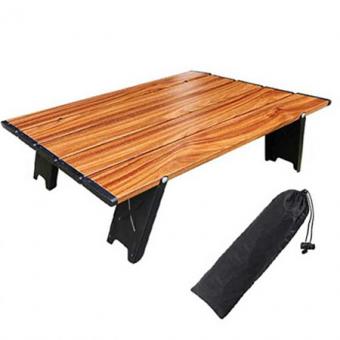
Marque : USINE ANHUI FEITEL Fabrication liée : OEM et ODM Produit : Une petite table de pique-nique légère et pliable, parfaite pour les activités de plein air. Fabriqué à partir de matériaux durables, il est portable et facile à installer.
Marque : USINE ANHUI FEISTEL Fabrication de relations : OEM et ODM Produit : La chaise de lune pliable en fer métallique léger et personnalisé offre un soutien et un confort durables, idéale pour le camping en plein air, avec une conception compacte et portable pour un transport et un stockage faciles.
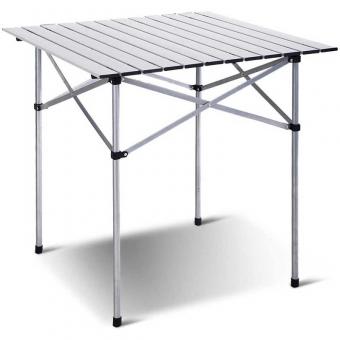
Marque : USINE ANHUI FEITEL Fabrication liée : OEM et ODM Produit : Table de pique-nique pliante portable d'extérieur : conception en aluminium légère et durable avec hauteur réglable, installation facile et sac de transport compact pour le camping, les pique-niques et les activités de plein air.
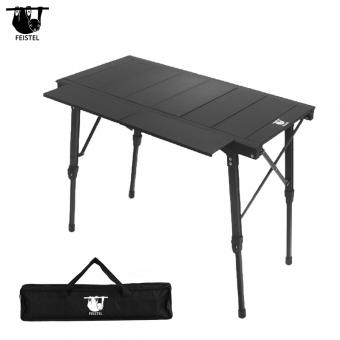
Marque : ANHUI FEITEL USINE Fabrication liée : OEM et ODM Produit : Une table de camping IGT BBQ polyvalente et portable avec des pieds réglables en hauteur. Idéal pour la cuisine en plein air, le camping et les pique-niques. Léger et pliable pour un transport facile.
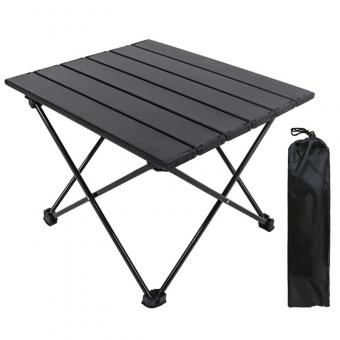
Marque : USINE ANHUI FEITEL Fabrication liée : OEM et ODM Produit : Table pliante en aluminium compacte et légère, parfaite pour le camping, la plage ou les activités de plein air. Facile à transporter, robuste et idéal pour contenir des aliments et des boissons.
Marque : USINE ANHUI FEISTEL Fabrication de relations : OEM et ODM Produit : Cette chaise longue de camping pliable en bois est dotée d'un cadre robuste, d'une conception inclinable ergonomique et d'une structure pliante compacte, parfaite pour se détendre à la plage, au camping ou dans l'arrière-cour.
Marque : USINE ANHUI FEISTEL Fabrication de relations : OEM et ODM Produit : Cette chaise de camping pliante d'extérieur avec cadre en aluminium est dotée d'un dossier réglable, d'une conception légère mais robuste, offrant un confort portable pour le camping, les sorties à la plage, les pique-niques et la détente en plein air.
Marque : USINE ANHUI FEISTEL Fabrication liée : OEM et ODM Produit : Ce mini tabouret de randonnée combine un tissu Oxford résistant et pliable avec une poche astucieuse faisant office de trousse, offrant portabilité, confort et praticité pour le camping et les aventures en plein air.
Marque : USINE ANHUI FEISTEL Fabrication de relations : OEM et ODM Produit : Le lit de couchage de voyage pour équipement de randonnée en gros est un lit de camping pliable à hauteur réglable offrant un support robuste, une portabilité facile et un repos confortable pour les aventures en plein air.
Marque : USINE ANHUI FEITEL Fabrication liée : OEM et ODM Produit : Un lit de camping pliant portable ultraléger et compact, idéal pour la randonnée, doté d'un cadre durable, d'une installation facile et d'un sac de transport pratique pour les voyages.
bulletin
abonnez-vous à notre newsletter pour recevoir des nouvelles, des mises à jour, et des offres spéciales par e-mail.