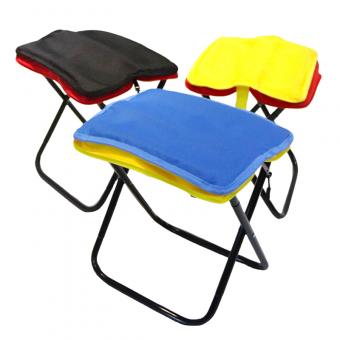
Les chaises à tube en fer sont-elles moins chères que celles en aluminium ? Explication de la répartition des coûts
2026-07-15
Lors de l'approvisionnement en sièges pour des événements en plein air, des voyages de camping ou des établissements d'accueil, une question revient constamment :les chaises à tube en fer sont-elles moins chères que celles en aluminium ?La réponse courte est oui — souvent de manière significative. Mais le coût total est bien plus nuancé que le prix initial affiché. Cet article détaille les coûts réels deschaises à tube en fer (acier)par rapport auxchaises à tube en aluminium, en examinant les matières premières, la fabrication, la logistique, l'entretien et la valeur à long terme afin de vous aider à prendre une décision d'achat éclairée.
La réalité des matières premières : là où commence l'écart de prix
La différence de coût entre les chaises à tube en fer/acier et celles en aluminium commence au niveau le plus fondamental : les prix des matières premières. En mai 2026, l'aluminium LME a atteint3 650–3 700 $ par tonne— soit une augmentation de 47 % sur un an par rapport aux niveaux du début de 2025, autour de 2 500 $ . L'acier HRC, quant à lui, s'établissait à **1 022–1 076 $ par tonne courte**, en hausse relativement modeste de 25 % par rapport à son creux de 2025 proche de 800 $ . Cet écart de2 600 $ par tonnea fondamentalement remodelé l'équation des coûts pour les fabricants.
Cette divergence des matériaux se traduit directement dans le prix du produit fini. Unechaise robuste en acier au carbone avec revêtement en poudrecoûte généralement10–20 $ par unité FOB Chine. Une chaise équivalente en aluminium ?45–130 $ — ce qui rend l'option en acier55–85 % moins chère, selon la finition et le calibre du tube. Pour les acheteurs en gros commandant 1 000 unités, cette différence représente 25 000 à 110 000 $ d'économies initiales.
Coûts de fabrication : plus que du simple métal
Complexité de traitement
L'aluminium n'est pas seulement plus cher en tant que matière première — il est également plus difficile à traiter.Les meubles utilisant des raccords en alliage d'aluminium sont généralement positionnés sur le marché moyen à haut de gamme, et leur prix est naturellement plus élevé. La difficulté de traitement et les coûts plus élevés des matières premières créent un effet cumulatif qui pousse les prix des chaises en aluminium bien au-dessus de ceux de leurs homologues en acier.
L'acier, en revanche, bénéficie deprocessus de fabrication bien établis et rentables. Il se soude facilement pour former des structures complexes et est largement disponible dans des dimensions de tubes standardisées. Cette efficacité de fabrication permet aux producteurs de chaises en acier de réaliser des économies d'échelle que les fabricants d'aluminium ne peuvent pas facilement égaler.
Calibre des tubes et épaisseur des parois
L'équation des coûts dépend également fortement des spécifications des tubes. Les cadres en acier avec un calibre plus épais — généralement uneépaisseur de paroi de 1,0 mm à 1,2 mm — offrent une stabilité maximale à une fraction du coût de tubes en aluminium comparables. L'aluminium, étant moins dense, nécessite souvent des parois plus épaisses pour obtenir une résistance équivalente, ce qui réduit davantage tout avantage potentiel en matière de poids tout en augmentant l'utilisation de matériaux et le coût.
Logistique et expédition : le facteur de coût caché
Différences de poids
L'aluminium a approximativement un tiers de la densité de l'acier. Une chaise en aluminium typique pèse environ 5 à 8 livres, tandis qu'une chaise en acier comparable peut peser 15 à 20 livres. Cette différence de poids a des implications importantes pour les coûts d'expédition :
Métrique
Chaise en acier
Chaise en aluminium
Poids typique par unité
15–20 lb
5–8 lb
Unités par conteneur 40HQ
~1 400–1 500
~2 800–3 000
Coût d'expédition par unité
Plus élevé
Plus faible
Pour un conteneur HQ de 40 pieds, vous pouvez généralement placer environ 1 408 à 1 504 chaises pliantes en acier, tandis que les chaises en aluminium — étant plus légères et souvent plus compactes une fois pliées — peuvent atteindre une meilleure utilisation du conteneur. Cependant, l'avantage du coût d'expédition par unité de l'aluminium compense partiellement son coût de matériau plus élevé, ce qui rend l'écart de coût total livré plus faible que ce que la seule différence de prix FOB laisserait penser.
Comparaison : tables de camping en toile
Cette dynamique poids-logistique est tout aussi pertinente lorsqu'on examine des meubles d'extérieur associés comme les tables de camping en toile. Une table de camping pliante en toile typique avec un cadre en acier et un dessus en tissu Oxford 600D robuste pèse environ 5,3 à 9 kg selon la taille et les fonctionnalités. Le tissu Oxford 600D offre une résistance aux déchirures et une durabilité accrues, tandis que le cadre en acier assure une stabilité pour des charges allant jusqu'à 35 à 50 livres.porte-gobelets intégrés, étagères de rangement inférieures, et surfaces sans affaissement qui restent plates même lorsqu'elles sont chargées.
Les tables en toile avec cadre en aluminium, lorsqu'elles sont disponibles, pèsent considérablement moins — souvent moins de 5 livres — ce qui les rend plus faciles à transporter mais leur confère généralement un prix plus élevé.Les cadres en acier offrent robustesse et prix abordable ; les cadres en aluminium offrent une meilleure portabilité à un prix supérieur.
Coûts à long terme : entretien et remplacement
Corrosion et rouille
C'est ici que l'histoire des coûts devient intéressante. Bien que les chaises en acier soient moins chères à l'achat, elles nécessitent davantage d'entretien au fil du temps. L'acier, même lorsqu'il est galvanisé ou revêtu par poudrage, peut finir par rouiller si le revêtement s'écaille, en particulier dans les environnements côtiers ou humides.L'aluminium, en revanche, forme naturellement une couche d'oxyde protectrice qui résiste à la rouille.Cela rend l'aluminium particulièrement intéressant pour les programmes de plage, les marchés côtiers et les climats humides
.
Coût total de possessionLa comparaison des coûts à long terme favorise l'aluminium dans de nombreuses applications. Comme le note une analyse du secteur : "une chaise en aluminium de gamme intermédiaire achetée une seule fois par rapport à une chaise en acier d'entrée de gamme remplacée tous les deux ans. La chaise en aluminium est gagnante dès la troisième année".Les meubles en aluminium résistent généralement mieux au fil du temps dans les environnements extérieurs grâce à leur résistance naturelle à la corrosion
.
Exigences d'entretienLes chaises en acier nécessitent une inspection régulière des dommages au revêtement et une retouche rapide de peinture pour empêcher la propagation de la rouille. Les chaises en aluminium, en revanche, nécessitent un entretien minimal — généralement seulement un nettoyage occasionnel à l'eau savonneuse. Pour les établissements d'hôtellerie, les entreprises de location ou toute application où les chaises passent beaucoup de temps à l'extérieur, ces coûts d'entretien s'accumulent rapidement.
Facteur de coût
Chaise en acier/fer
Chaise en aluminium
Prix d'achat initial
10 à 20 $ par unité
45–130 $ par unité
Coût d'expédition par unité
Plus élevé
Plus faible
Entretien annuel
Modéré–élevé
Faible
Durée de vie typique (extérieur)
2–5 ans
5–10 ans et plus
Fréquence de remplacement
Plus fréquente
Moins fréquente
Quand l'acier est le choix idéal
Les chaises à tubes d'acier sont clairement gagnantes lorsque :
Le budget est la contrainte principale — les économies initiales de 55–85 % sont difficiles à ignorer
Les chaises sont stockées à l'intérieur — sièges pour événements, salles de banquet, centres de conférence
Une capacité renforcée est requise — l'acier offre une capacité de charge plus élevée et une meilleure résistance aux impacts
Achats en grande quantité — l'écart de coût par unité se multiplie rapidement pour des milliers de chaises
Quand l'aluminium justifie le prix supérieur
Les chaises à tubes d'aluminium valent l'investissement lorsque :
L'exposition extérieure est constante — propriétés en bord de mer, terrasses de piscine, environnements côtiers
La portabilité est importante — camping, fêtes dans les parkings, réaménagements fréquents
Le coût total de possession à long terme est le critère — moins d'entretien et moins de remplacements
Positionnement haut de gamme — les chaises en aluminium s'accordent avec les marques de vente au détail et d'hôtellerie haut de gamme
Solutions hybrides : le meilleur des deux mondes
Pour les acheteurs recherchant un équilibre, les designs hybrides offrent un compromis intéressant. Certains fabricants produisent désormais des chaises qui associent des pieds en aluminium avec des renforts transversaux en acier, en atteignant un équilibre entre le poids (environ 8,5 lb) et la durabilité. Cette approche réduit les coûts des matériaux de 20 % tout en maintenant une capacité de 300 lb. Pour les acheteurs soucieux de leur budget qui souhaitent tout de même profiter de certains avantages de la portabilité de l'aluminium, les conceptions hybrides représentent une option intéressante.
De même, les tables de camping en toile utilisent souvent des cadres en acier avec des plateaux en toile pour parvenir à un équilibre optimal entre coût, durabilité et portabilité. Le tissu Oxford 600D — qu'il s'agisse de toile ou de polyester — offre une résistance aux intempéries et une résistance à la déchirure à une fraction du coût des plateaux en aluminium.Des fonctionnalités comme les porte-gobelets intégrés, les étagères de rangement et les sacs de transport ajoutent de la fonctionnalité sans augmenter considérablement le coût
.
En résuméLes chaises à tubes en fer sont-elles moins chères que celles en aluminium ? Oui — nettement moins chères au moment de l'achat. Une chaise en acier peut coûter 55 à 85 % de moins qu'un modèle équivalent en aluminium.
Cependant, le coût total prend en compte l'expédition, l'entretien et la fréquence de remplacement. Pour une utilisation en intérieur ou en extérieur à court terme, l'acier est clairement le choix le plus économique. Pour des installations extérieures permanentes — en particulier dans des environnements côtiers ou humides — la résistance à la corrosion de l'aluminium et ses coûts d'entretien réduits sur la durée justifient souvent le prix supérieur. Le bon choix dépend de votre application spécifique, de votre budget et de votre stratégie à long terme. Pour les acheteurs en gros, les économies initiales réalisées avec l'acier sont importantes. Pour les marques haut de gamme et les applications côtières, la durabilité et le faible entretien de l'aluminium en font un investissement plus judicieux au fil du temps. Et pour ceux qui souhaitent une solution intermédiaire, les conceptions hybrides et les meubles en acier avec dessus en toile offrent des compromis fonctionnels qui conviennent bien à de nombreuses applications extérieures.
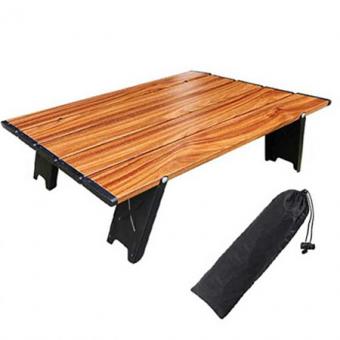
Marque : USINE ANHUI FEITEL Fabrication liée : OEM et ODM Produit : Une petite table de pique-nique légère et pliable, parfaite pour les activités de plein air. Fabriqué à partir de matériaux durables, il est portable et facile à installer.
Marque : USINE ANHUI FEISTEL Fabrication de relations : OEM et ODM Produit : La chaise de lune pliable en fer métallique léger et personnalisé offre un soutien et un confort durables, idéale pour le camping en plein air, avec une conception compacte et portable pour un transport et un stockage faciles.
Marque : USINE ANHUI FEITEL Fabrication liée : OEM et ODM Produit : Table de pique-nique pliante portable d'extérieur : conception en aluminium légère et durable avec hauteur réglable, installation facile et sac de transport compact pour le camping, les pique-niques et les activités de plein air.
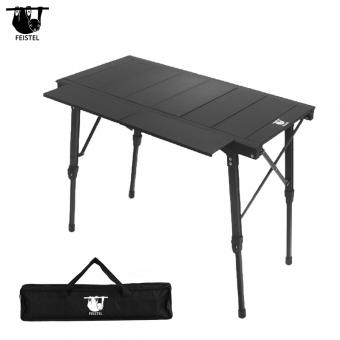
Marque : ANHUI FEITEL USINE Fabrication liée : OEM et ODM Produit : Une table de camping IGT BBQ polyvalente et portable avec des pieds réglables en hauteur. Idéal pour la cuisine en plein air, le camping et les pique-niques. Léger et pliable pour un transport facile.
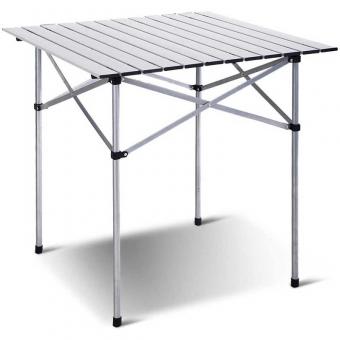
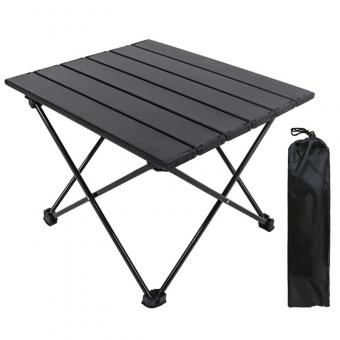
Marque : USINE ANHUI FEITEL Fabrication liée : OEM et ODM Produit : Table pliante en aluminium compacte et légère, parfaite pour le camping, la plage ou les activités de plein air. Facile à transporter, robuste et idéal pour contenir des aliments et des boissons.
Marque : USINE ANHUI FEISTEL Fabrication de relations : OEM et ODM Produit : Cette chaise longue de camping pliable en bois est dotée d'un cadre robuste, d'une conception inclinable ergonomique et d'une structure pliante compacte, parfaite pour se détendre à la plage, au camping ou dans l'arrière-cour.
Marque : USINE ANHUI FEISTEL Fabrication de relations : OEM et ODM Produit : Cette chaise de camping pliante d'extérieur avec cadre en aluminium est dotée d'un dossier réglable, d'une conception légère mais robuste, offrant un confort portable pour le camping, les sorties à la plage, les pique-niques et la détente en plein air.
Marque : USINE ANHUI FEISTEL Fabrication liée : OEM et ODM Produit : Ce mini tabouret de randonnée combine un tissu Oxford résistant et pliable avec une poche astucieuse faisant office de trousse, offrant portabilité, confort et praticité pour le camping et les aventures en plein air.
Marque : USINE ANHUI FEISTEL Fabrication de relations : OEM et ODM Produit : Le lit de couchage de voyage pour équipement de randonnée en gros est un lit de camping pliable à hauteur réglable offrant un support robuste, une portabilité facile et un repos confortable pour les aventures en plein air.
Marque : USINE ANHUI FEITEL Fabrication liée : OEM et ODM Produit : Un lit de camping pliant portable ultraléger et compact, idéal pour la randonnée, doté d'un cadre durable, d'une installation facile et d'un sac de transport pratique pour les voyages.
bulletin
abonnez-vous à notre newsletter pour recevoir des nouvelles, des mises à jour, et des offres spéciales par e-mail.