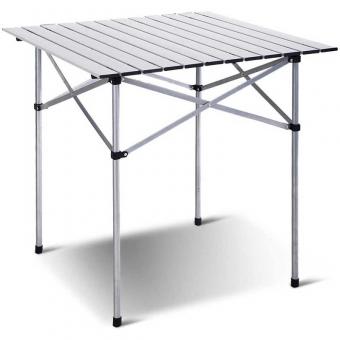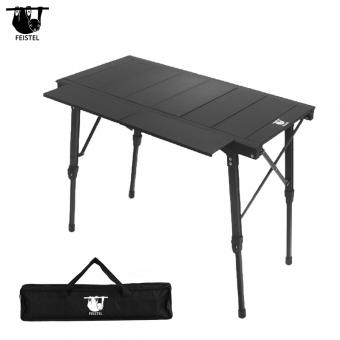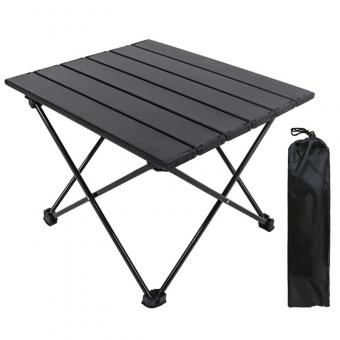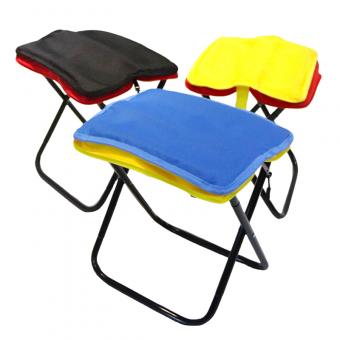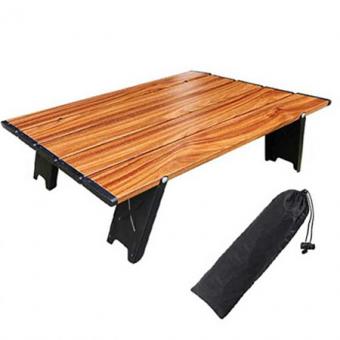
Marque : USINE ANHUI FEITEL Fabrication liée : OEM et ODM Produit : Une petite table de pique-nique légère et pliable, parfaite pour les activités de plein air. Fabriqué à partir de matériaux durables, il est portable et facile à installer.
neil bienvenue sur notre site !
apprendre encore plusChoisir un hamac peut sembler insurmontable. Entrez dans n'importe quel magasin d'articles de plein air ou naviguez en ligne, et vous serez confronté à une gamme étourdissante d'options : nylon, polyester, coton, ripstop, taffetas, toile, et une douzaine d'autres noms de tissus qui ressemblent plus à un examen de chimie qu'à du matériel de camping.
Voici la vérité : il n'existe pas de « meilleur » tissu de hamac unique. Le bon matériau dépend entièrement de la façon dont, de l'endroit où et du moment où vous prévoyez d'utiliser votre hamac. Ce guide détaille les tissus de hamac les plus courants, leurs forces et leurs faiblesses, ainsi que les spécifications clés que vous devez comprendre — afin que vous puissiez choisir le matériau qui vous convient le mieux à vous.
Le coton reste l'étalon-or du confort en matière de hamac, et il y a une bonne raison pour laquelle c'est le matériau de choix depuis des siècles. Les hamacs en coton sont incroyablement doux et confortables sur la peau, et ils respirent très bien lors des chaudes nuits d'été. La structure naturelle des fibres crée de minuscules poches d'air qui permettent une excellente respirabilité, faisant du coton l'idéal pour les siestes paresseuses dans le jardin ou sur la véranda.
Les hamacs en coton assemblent souvent trois couches conçues pour s'adapter à chaque type de corps. Cette qualité d'adaptation signifie que le hamac épouse votre forme, répartissant le poids uniformément et réduisant les points de pression.
Les inconvénients ? Le coton est lourd, volumineux et absorbe l'humidité comme une serviette — retenant chaque goutte de sueur et de condensation. Il met une éternité à sécher et est très sensible aux moisissures. À moins d'être spécialement traité, le coton peut être sujet au développement de moisissures. Le coton est un mauvais choix pour le camping en plein air, sauf si vous restez au même endroit pendant des semaines.
Idéal pour : La détente dans le jardin, l'utilisation en intérieur, les maisons de plage et toute personne privilégiant la douceur et la respirabilité à la portabilité et à la résistance aux intempéries.
Le nylon est le champion ultraléger des tissus de hamac — il se range en petit format, sèche instantanément et résiste à l'abrasion. Pour les randonneurs et les trekkeurs, le nylon est le choix incontournable car la durabilité et la résistance aux intempéries l'emportent sur le confort lorsque vous êtes à des kilomètres de la civilisation.
Hamacs en nylon sont plus légers, se rangent de manière plus compacte et sèchent rapidement, c'est pourquoi les randonneurs les privilégient. Un hamac de randonnée en nylon typique se replie à peu près à la taille d'un pamplemousse. Le nylon est un peu plus extensible pour un poids donné, ce qui lui permet de mieux épouser la forme de votre corps et crée un couchage plus souple et plus confortable. Beaucoup de gens préfèrent le nylon au polyester précisément parce qu'ils aiment un peu d'élasticité dans leur hamac.
Les inconvénients ? Le nylon offre moins d'élasticité que le coton et peut sembler glissant contre la peau. Il tient plus chaud et semble moins « adhérent » que le coton. Le nylon a un taux d'absorption de l'humidité plus élevé (environ 2 à 4 %) par rapport au polyester, ce qui signifie que dans des environnements très humides, il peut développer des odeurs s'il n'est pas séché rapidement. Le nylon est également moins résistant aux UV que le polyester — une exposition prolongée au soleil peut dégrader le tissu avec le temps.
Idéal pour : La randonnée, la grande randonnée, le cyclotourisme et toute aventure où le poids et la compacité sont primordiaux.
Le polyester est le cousin plus robuste du nylon. Il est beaucoup plus durable et plus doux au toucher. Les hamacs en polyester résistent mieux aux éléments extérieurs et sont plus fermes et moins extensibles que le coton.
Le plus grand avantage du polyester est sa résistance aux UV. Il résiste mieux au fil du temps en plein soleil, ce qui le rend idéal pour les installations extérieures permanentes ou une exposition prolongée au soleil. Le polyester sèche plus rapidement que le coton et présente une meilleure résistance aux moisissures. Les mélanges de polyester ajoutent une résistance aux UV et un séchage plus rapide tout en conservant un toucher textile. Il est également hydrophobe — il a tendance à évacuer l'humidité plutôt qu'à l'absorber.
Certains utilisateurs préfèrent le polyester au nylon car il s'étire moins, créant une surface de couchage plus ferme et plus prévisible. Pour les personnes plus lourdes, l'élasticité réduite du polyester peut offrir un meilleur soutien.
Les inconvénients ? Le polyester est plus lourd et moins compact que le nylon. Il est légèrement moins extensible, ce que certains trouvent moins confortable pour épouser les formes du corps. Il est également plus difficile à trouver que le nylon ripstop, c'est pourquoi la plupart des fabricants privilégient le nylon pour les hamacs de randonnée.
Idéal pour : Les installations extérieures permanentes, les aménagements de jardin, l'utilisation à la plage, le camping en voiture et toute personne privilégiant la durabilité et la résistance aux UV plutôt que le poids ultraléger.
Au-delà du matériau de base, le motif de tissage influence considérablement le confort et les performances d'un hammock.
Le nylon Ripstop présente un motif de tissage renforcé — une grille de fils plus épais tissés dans le tissu à intervalles réguliers. Cette grille empêche littéralement les déchirures de se propager. Considérez le nylon ripstop comme le tissu super-héros du monde du plein air — il est léger, incroyablement résistant et conçu pour résister aux contraintes de la pleine nature. La plupart des hammocks de camping de qualité utilisent du nylon ripstop 20D à 40D, offrant un équilibre parfait entre durabilité et facilité de rangement.
Le taffetas est un motif de tissage différent — lisse, très serré et dépourvu de la grille de renfort du ripstop. Le taffetas de nylon est durable et peut résister à une utilisation régulière, mais il n'a pas la douceur de certains autres tissages. Le taffetas de polyester est plus rigide, créant une surface de couchage plus ferme.
Les tissus haut de gamme comme Hexon et HyperD vont encore plus loin. Hexon 1.6 est conçu pour supporter 350 livres et possède une grille ripstop spéciale qui réduit l'étirement et ajoute une résistance incroyable — tout en offrant une sensation de douceur semblable au coton, sans aucun aspect plastique. HyperD, en revanche, possède un motif ripstop en forme de losanges qui le rend plus doux et plus soyeux, bien que pas tout à fait aussi ferme que Hexon.
Vous verrez souvent des chiffres comme 20D, 40D ou 70D associés aux tissus de hammock. Le denier est une mesure de l'épaisseur et de la durabilité du fil. Un denier plus élevé signifie un tissu plus épais, plus résistant et plus lourd. Un denier plus faible signifie un tissu plus fin, plus léger et plus compact.
Denier
Utilisation typique
Capacité de charge
20D (1,0 oz)
Randonnée ultralégère
~200 lb
40D (1,6 oz)
Randonnée polyvalente
~275–350 lb
70D (1,9 oz)
Usage intensif / utilisateurs plus grands
~350–400 lb
Les hammocks simple couche utilisent généralement du nylon ou du polyester avec des épaisseurs allant de 20D/1,0 oz à 70D/1,9 oz, avec des limites de poids allant de 250 lb à 400 lb. Pour les occupants de plus de 300 livres, les tissus 70D ou les constructions double couche sont généralement recommandés.
Le compromis est simple : denier plus élevé = plus de durabilité et une capacité de poids plus élevée, mais aussi plus de poids et de volume dans votre sac. Denier plus faible = plus léger et plus compressible, mais moins durable et une capacité de poids plus faible.
|
Caractéristique |
Coton |
Nylon |
Polyester |
|
Confort |
★★★★★ (doux, respirant) |
★★★★ (extensible, épouse les formes) |
★★★★ (ferme, offrant un bon soutien) |
|
Poids |
★★ (lourd) |
★★★★★ (ultraléger) |
★★★ (modéré) |
|
Compressibilité |
★ (volumineux) |
★★★★★ (ultra-compressible) |
★★★ (modérée) |
|
Vitesse de séchage |
★ (très lent) |
★★★★★ (instantané) |
★★★★ (rapide) |
|
Résistance aux UV |
★★ |
★★★ |
★★★★★ |
|
Résistance à la moisissure |
★ |
★★★★ |
★★★★★ |
|
Durabilité |
★★★ |
★★★★ |
★★★★★ |
|
Utilisation idéale |
Jardin, intérieur |
Randonnée, voyage |
Extérieur permanent, plage |
Choisissez le coton si : Vous recherchez un maximum de douceur et de respirabilité pour vous détendre dans le jardin, faire la sieste sous le porche ou pour une utilisation en intérieur. Veillez simplement à le garder au sec et à l'abri de la pluie.
Choisissez le nylon si : Vous êtes un randonneur, un adepte de la longue distance ou un voyageur ayant besoin de l'option la plus légère et la plus compacte possible. L'élasticité du nylon et son rapport confort/poids sont inégalés pour se déplacer rapidement et léger.
Choisissez le polyester si : Vous installez un hamac d'extérieur permanent, campez en plein soleil ou recherchez l'option la plus durable, résistante aux UV et nécessitant peu d'entretien. Le polyester est le cheval de bataille qui continue d'être performant année après année.
Choisissez un ripstop haut de gamme (Hexon, HyperD, etc.) si : Vous voulez le meilleur des deux mondes : une performance légère avec un confort et une résistance exceptionnels, ainsi qu'un tissu doux au toucher sur votre peau.
Le « meilleur » tissu de hamac n'existe pas dans l'absolu. Il existe en fonction de vos besoins, vos aventures et votre définition du confort. Choisissez en conséquence, et bonne suspension.
catégories
nouveau blogue
Marque : USINE ANHUI FEITEL Fabrication liée : OEM et ODM Produit : Une petite table de pique-nique légère et pliable, parfaite pour les activités de plein air. Fabriqué à partir de matériaux durables, il est portable et facile à installer.
Marque : USINE ANHUI FEISTEL Fabrication de relations : OEM et ODM Produit : La chaise de lune pliable en fer métallique léger et personnalisé offre un soutien et un confort durables, idéale pour le camping en plein air, avec une conception compacte et portable pour un transport et un stockage faciles.
Marque : USINE ANHUI FEITEL Fabrication liée : OEM et ODM Produit : Table de pique-nique pliante portable d'extérieur : conception en aluminium légère et durable avec hauteur réglable, installation facile et sac de transport compact pour le camping, les pique-niques et les activités de plein air.
Marque : ANHUI FEITEL USINE Fabrication liée : OEM et ODM Produit : Une table de camping IGT BBQ polyvalente et portable avec des pieds réglables en hauteur. Idéal pour la cuisine en plein air, le camping et les pique-niques. Léger et pliable pour un transport facile.
Marque : USINE ANHUI FEITEL Fabrication liée : OEM et ODM Produit : Table pliante en aluminium compacte et légère, parfaite pour le camping, la plage ou les activités de plein air. Facile à transporter, robuste et idéal pour contenir des aliments et des boissons.
Marque : USINE ANHUI FEISTEL Fabrication de relations : OEM et ODM Produit : Cette chaise longue de camping pliable en bois est dotée d'un cadre robuste, d'une conception inclinable ergonomique et d'une structure pliante compacte, parfaite pour se détendre à la plage, au camping ou dans l'arrière-cour.
Marque : USINE ANHUI FEISTEL Fabrication de relations : OEM et ODM Produit : Cette chaise de camping pliante d'extérieur avec cadre en aluminium est dotée d'un dossier réglable, d'une conception légère mais robuste, offrant un confort portable pour le camping, les sorties à la plage, les pique-niques et la détente en plein air.
Marque : USINE ANHUI FEISTEL Fabrication liée : OEM et ODM Produit : Ce mini tabouret de randonnée combine un tissu Oxford résistant et pliable avec une poche astucieuse faisant office de trousse, offrant portabilité, confort et praticité pour le camping et les aventures en plein air.
Marque : USINE ANHUI FEISTEL Fabrication de relations : OEM et ODM Produit : Le lit de couchage de voyage pour équipement de randonnée en gros est un lit de camping pliable à hauteur réglable offrant un support robuste, une portabilité facile et un repos confortable pour les aventures en plein air.
Marque : USINE ANHUI FEITEL Fabrication liée : OEM et ODM Produit : Un lit de camping pliant portable ultraléger et compact, idéal pour la randonnée, doté d'un cadre durable, d'une installation facile et d'un sac de transport pratique pour les voyages.
RESTONS CONNECTÉS :