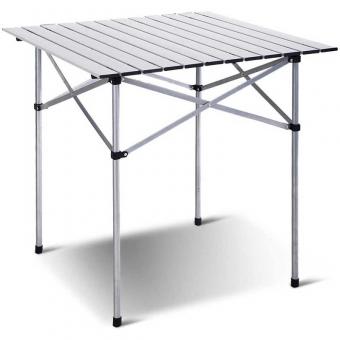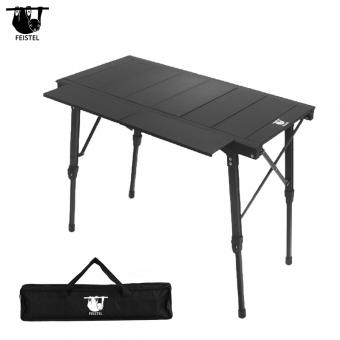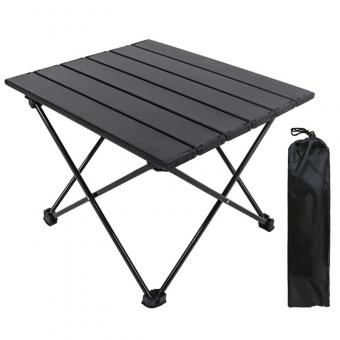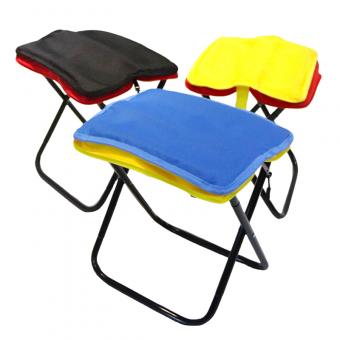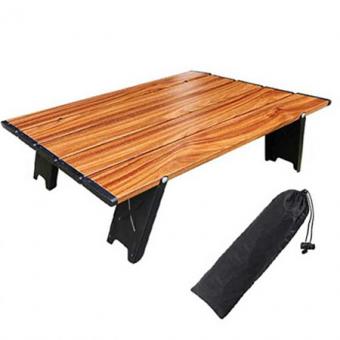
Marque : USINE ANHUI FEITEL Fabrication liée : OEM et ODM Produit : Une petite table de pique-nique légère et pliable, parfaite pour les activités de plein air. Fabriqué à partir de matériaux durables, il est portable et facile à installer.
neil bienvenue sur notre site !
apprendre encore plusChoisir une table de camping revient souvent à une décision cruciale : de quoi est fait le plateau ? Le matériau détermine tout : l'aspect de la table, son poids, l'entretien nécessaire et sa durée de vie en plein air.
Trois matériaux dominent le marché des tables de camping : le bois, le MDF (panneau de fibres à densité moyenne) et l'aluminium. Chacun offre des compromis distincts en termes d'esthétique, de portabilité et d'exigences d'entretien. Voici ce que vous devez savoir pour faire le bon choix.
Les plateaux en bois — qu'il s'agisse de bambou massif, de bouleau ou d'autres bois durs — offrent une esthétique rustique et intemporelle qui s'intègre parfaitement dans les jardins, sur les terrasses ou dans un campement de glamping. Une finition naturelle aux tons boisés avec une construction à lattes offre une chaleur organique que les matériaux synthétiques ne peuvent tout simplement pas reproduire.
Le bois est le grand gagnant en termes d'attrait visuel. Il apporte chaleur et caractère à n'importe quel campement. Des marques haut de gamme comme Snow Peak et Zempire proposent des plateaux entièrement en bambou qui se marient magnifiquement avec des pieds en métal, créant un design équilibré et robuste avec un centre de gravité bas.
Le bois massif est plus lourd que les alternatives en aluminium. Une table en bambou, bien que plus durable que beaucoup d'autres matériaux, ajoute un poids notable à votre équipement de camping.
Le bois demande le plus d'entretien. Bien que les tables en bambou soient durables et écologiques, elles nécessitent un entretien de base pour durer plus longtemps que la plupart des alternatives. Recherchez des tables avec des vernis transparents satinés résistants aux intempéries ou d'autres finitions protectrices. Dans des conditions humides, les surfaces en bois demandent de l'attention pour éviter le gauchissement.
Le glamping et les cadres extérieurs élégants
Les campeurs qui privilégient l'esthétique à la portabilité ultralégère
Ceux qui sont prêts à effectuer un entretien régulier
Le MDF (panneau de fibres à densité moyenne) est un produit en bois manufacturé fabriqué à partir de fibres de bois compressées et de résine. Il est populaire pour les tables de camping d'entrée à milieu de gamme car il est économique et offre une surface lisse idéale pour écrire, jouer à des jeux de société et préparer les repas.
Le MDF peut être fini pour ressembler à du vrai bois — des panneaux unis ou recouverts de mélamine offrent une variété d'apparences. Le revêtement en mélamine ajoute une finition brillante et des capacités graphiques éclatantes. Cependant, les yeux avertis remarqueront qu'il manque le grain naturel et la profondeur du bois massif.
Le MDF est léger et facile à transporter. Il permet des conceptions compactes et portables qui offrent tout de même une surface d'écriture rigide et solide que les tables en toile ne peuvent égaler.
Le MDF n'est pas étanche. C'est son talon d'Achille.
L'exposition à la pluie, aux boissons renversées ou même à une forte humidité fait gonfler et se déformer le MDF. Si l'eau s'infiltre, la surface peut former des bosses et subir des dommages permanents. Le revêtement en mélamine ajoute une certaine résistance à l'eau mais ne rend pas la surface étanche — évitez de laisser des liquides sur la surface pendant de longues périodes.
Règles de nettoyage pour le MDF :
Essuyez uniquement avec un chiffon propre et bien essoré
Séchez la surface immédiatement après le nettoyage
N'utilisez jamais d'eau de Javel ou d'alcool sur les surfaces en MDF
N'appliquez jamais de traitement pour bois sur le MDF — il gonflera et se déformera
L'expérience d'un campeur avec un plateau de table en MDF bon marché résume bien la situation : le dessus a gonflé et s'est gondolé après avoir été mouillé, et la réparation du MDF endommagé a nécessité de défoncer la zone touchée et d'y insérer des pièces en bois massif à l'aide d'époxy.
Les acheteurs soucieux de leur budget (coût de matériau le plus bas, MOQ de 100 à 300 unités)
Une utilisation sous tente ou sous auvent où l'exposition à la pluie est minimale
Les campeurs par beau temps qui peuvent garantir des conditions sèches
L'aluminium est le matériau de référence pour les tables de camping. Il est largement utilisé pour le mobilier d'extérieur car il offre un équilibre entre durabilité, légèreté et résistance aux intempéries.
L'aluminium a un aspect moderne et épuré. Il est disponible dans diverses finitions — des couleurs thermolaquées aux surfaces anodisées qui résistent aux rayures et aux traces de doigts. L'aluminium à finition mate résiste aux reflets et aux taches. Les plateaux en maille d'aluminium permettent à la chaleur de s'échapper par le dessous — essentiel lors de l'utilisation d'un réchaud de camping à pleine flamme — et résistent à la rouille et à l'accumulation de taches dues aux éclaboussures de graisse.
L'aluminium est le champion de la légèreté. Il pèse nettement moins que les alternatives en bois ou en acier. Une table en aluminium typique supporte jusqu'à 30 kg (66 lb) tout en restant facile à transporter et à ranger. Pour les randonneurs ultralégers, les cyclotouristes et tous ceux qui transportent leur équipement sur de longues distances, l'aluminium est le choix évident.
L'aluminium est facile à nettoyer et résistant à l'humidité. Il résiste aux intempéries sans se déformer ni pourrir. Cependant, il y a des compromis :
Rétention de la chaleur: L'aluminium peut devenir chaud en plein soleil
Sensibilité aux rayures: L'aluminium ne résiste pas aux rayures
Risque de bosse: Vérifiez l'absence d'arêtes vives dues aux bosses et limez-les pour les lisser
Problèmes de composants: Certains modèles dotés de rails en aluminium s'insérant dans des rainures en polymère peuvent prendre du jeu avec le temps en raison de taux de dilatation différents
Nettoyage : Essuyez simplement avec un chiffon humide. Rangez-le dans un endroit sec lorsqu'il n'est pas utilisé pour une longévité maximale.
Les randonneurs, les cyclotouristes et tous les campeurs soucieux du poids
Utilisation en extérieur par tous les temps
Cuisines de camp et stations de cuisson avec ustensiles chauds
Camping facile d'entretien et sans tracas
Caractéristique
Bois (massif/bambou)
MDF
Aluminium
Esthétique
★★★★★ (naturel, haut de gamme)
★★★ (aspect bois, moins authentique)
★★★★ (moderne, épuré)
Poids
★★ (plus lourd)
★★★★ (léger)
★★★★★ (le plus léger)
Résistance aux intempéries
★★ (nécessite une protection)
★ (gonfle lorsqu'il est mouillé)
★★★★★ (antirouille, résistant à l'humidité)
Entretien
★★ (entretien régulier nécessaire)
★ (doit rester au sec, délicat)
★★★★★ (facile à nettoyer)
Résistance à la chaleur
★★★ (peut brûler)
★★ (risque de dommages causés par la chaleur)
★★★★ (meilleure tolérance à la chaleur)
Durabilité
★★★★ (dépend de la qualité)
★★ (vulnérable à l'humidité)
★★★★ (solide mais peut se bosseler)
Coût
★★★ (premium)
★★★★★ (le moins cher)
★★★ (milieu de gamme)
Choisissez le bois si : L'esthétique est votre priorité. Vous faites du glamping ou créez un espace de camping élégant. Vous êtes prêt à effectuer un entretien régulier et à protéger la surface des éléments. Les tables en bambou haut de gamme offrent une durabilité et des atouts écologiques qui justifient leur poids.
Choisissez le MDF si : Le budget est votre contrainte principale et vous utilisez la table à l'intérieur (dans une tente, un auvent ou une caravane) où l'exposition à la pluie est minimale. Le MDF offre une surface lisse et rigide au coût le plus bas, mais une seule averse peut l'abîmer.
Choisissez l'aluminium si : Vous avez besoin d'une table légère et résistante aux intempéries qui nécessite un entretien minimal. C'est le choix pratique pour une utilisation en extérieur dans toutes les conditions, des côtes humides aux campings poussiéreux. Le gain de poids est inestimable pour la randonnée, et la facilité d'entretien signifie plus de temps pour profiter du plein air et moins de temps à nettoyer votre équipement.
Comme l'a noté un expert en camping : « Il n'y a pas de matériau « meilleur » unique — tout dépend de ce que vous privilégiez ». Adaptez le matériau à votre style de camping, et votre table vous servira fidèlement pendant des années.
catégories
nouveau blogue
Marque : USINE ANHUI FEITEL Fabrication liée : OEM et ODM Produit : Une petite table de pique-nique légère et pliable, parfaite pour les activités de plein air. Fabriqué à partir de matériaux durables, il est portable et facile à installer.
Marque : USINE ANHUI FEISTEL Fabrication de relations : OEM et ODM Produit : La chaise de lune pliable en fer métallique léger et personnalisé offre un soutien et un confort durables, idéale pour le camping en plein air, avec une conception compacte et portable pour un transport et un stockage faciles.
Marque : USINE ANHUI FEITEL Fabrication liée : OEM et ODM Produit : Table de pique-nique pliante portable d'extérieur : conception en aluminium légère et durable avec hauteur réglable, installation facile et sac de transport compact pour le camping, les pique-niques et les activités de plein air.
Marque : ANHUI FEITEL USINE Fabrication liée : OEM et ODM Produit : Une table de camping IGT BBQ polyvalente et portable avec des pieds réglables en hauteur. Idéal pour la cuisine en plein air, le camping et les pique-niques. Léger et pliable pour un transport facile.
Marque : USINE ANHUI FEITEL Fabrication liée : OEM et ODM Produit : Table pliante en aluminium compacte et légère, parfaite pour le camping, la plage ou les activités de plein air. Facile à transporter, robuste et idéal pour contenir des aliments et des boissons.
Marque : USINE ANHUI FEISTEL Fabrication de relations : OEM et ODM Produit : Cette chaise longue de camping pliable en bois est dotée d'un cadre robuste, d'une conception inclinable ergonomique et d'une structure pliante compacte, parfaite pour se détendre à la plage, au camping ou dans l'arrière-cour.
Marque : USINE ANHUI FEISTEL Fabrication de relations : OEM et ODM Produit : Cette chaise de camping pliante d'extérieur avec cadre en aluminium est dotée d'un dossier réglable, d'une conception légère mais robuste, offrant un confort portable pour le camping, les sorties à la plage, les pique-niques et la détente en plein air.
Marque : USINE ANHUI FEISTEL Fabrication liée : OEM et ODM Produit : Ce mini tabouret de randonnée combine un tissu Oxford résistant et pliable avec une poche astucieuse faisant office de trousse, offrant portabilité, confort et praticité pour le camping et les aventures en plein air.
Marque : USINE ANHUI FEISTEL Fabrication de relations : OEM et ODM Produit : Le lit de couchage de voyage pour équipement de randonnée en gros est un lit de camping pliable à hauteur réglable offrant un support robuste, une portabilité facile et un repos confortable pour les aventures en plein air.
Marque : USINE ANHUI FEITEL Fabrication liée : OEM et ODM Produit : Un lit de camping pliant portable ultraléger et compact, idéal pour la randonnée, doté d'un cadre durable, d'une installation facile et d'un sac de transport pratique pour les voyages.
RESTONS CONNECTÉS :