Comment lire les spécifications d'un lit de camping : Guide du débutant sur la capacité de charge, les dimensions pliées et la valeur R
2026-03-03
Choisir son premier matelas de camping peut vite devenir un casse-tête. Entre la capacité de charge, les dimensions une fois plié, la valeur R et le denier du tissu, la fiche technique est souvent incompréhensible. Pourtant, comprendre ces chiffres fait toute la différence entre une nuit de sommeil paisible à la belle étoile et une nuit d'insomnie à compter les moutons… ou les moustiques.
Ce guide pour débutants démystifie les trois spécifications les plus importantes concernant les lits de camping :
capacité de charge
,
taille emballée
, et
Valeur R
Une fois que vous aurez compris ce que ces chiffres signifient réellement pour votre confort et votre sécurité, vous n'hésiterez plus jamais à acheter un lit de camping.
Pourquoi les caractéristiques des lits de camping sont importantes
Avant de s'intéresser aux chiffres, il est important de comprendre pourquoi les spécifications méritent votre attention. Un lit de camping — qu'il s'agisse d'un lit de camp surélevé, d'un matelas gonflable ou d'un tapis de sol — vous protège du froid et de l'humidité du sol.
Il offre le soutien qui prévient les raideurs matinales et l'isolation qui vous garde au chaud lorsque les températures baissent.
Un bon matelas de camping transforme le sommeil en plein air d'une épreuve en un véritable plaisir. Un mauvais choix peut entraîner un mauvais sommeil, des nuits froides, voire des problèmes de sécurité dans des conditions extrêmes.
En apprenant à lire correctement les spécifications, vous pourrez adapter le lit à vos besoins spécifiques, que vous soyez un campeur en voiture le week-end, un randonneur au long cours comptant chaque gramme ou un amateur de temps froid.
Décryptage de la capacité de charge : bien plus qu’un simple chiffre
Que signifie réellement la capacité de charge ?
Capacité de charge
— parfois indiquée comme « charge maximale » ou « limite de poids » — indique le poids maximal de l'utilisateur que le lit de camping peut supporter en toute sécurité. Cette spécification est non négociable pour des raisons de sécurité et de durabilité.
.
Pour les lits de camp, la capacité de poids varie généralement de
110 kg à 200 kg
(environ 110 à 200 kg) selon sa construction. Par exemple, le lit de camp Decathlon Camp Bed Second supporte un poids maximal de
110 kg
, tandis que des options haut de gamme comme le Helinox Cot One supportent jusqu'à
145 kg
(320 livres)
Les modèles militaires robustes dépassent souvent ces chiffres.
Pourquoi vous ne devez jamais dépasser les limites de poids
Risques liés au dépassement de la capacité de charge indiquée :
Défaillance structurelle
Les cadres peuvent se plier ou s'effondrer pendant la nuit.
déchirure du tissu
La surface de couchage peut se déchirer sous une pression excessive.
Instabilité
Le lit risque de basculer ou de s'affaisser dangereusement.
Garantie annulée
La plupart des fabricants excluent explicitement les dommages causés par la surcharge
Comment choisir la capacité de charge appropriée
Lors de l'évaluation de la capacité de charge, tenez compte des éléments suivants :
Votre poids plus marge
Ajoutez 10 à 15 kg à votre poids corporel pour tenir compte du sac de couchage, des vêtements et des mouvements pendant le sommeil. Une personne pesant 90 kg devrait choisir un lit d'une capacité d'au moins [valeur manquante].
100-110 kg
.
Lits partagés
Pour les lits doubles ou les lits de camp conçus pour deux personnes, vérifiez si la capacité est par personne ou totale.
Exemple concret
: Les supports isolants convertibles Helinox Cot One
145 kg
et ne pèse que
2,86 kg
—un rapport résistance/poids impressionnant obtenu grâce à
DAC TH72M alliage d'aluminium
construction
.
Comprendre la taille emballée : l’équation de la portabilité
Deux mesures critiques
La taille de l'emballage se présente sous deux formes :
dimensions emballées
(longueur × largeur × hauteur une fois pliée) et
volume emballé
(souvent exprimés en litres). Les deux sont importants, mais pour des raisons différentes.
Dimensions emballées
vous indiquera si le lit rentrera dans le coffre de votre voiture, votre sac à dos ou votre placard. Le lit de camp Decathlon Basic, par exemple, se replie à
80 × 30 × 10 cm
avec un volume de
17 litres
et le poids total de
5,5 kg
C'est assez compact pour le camping en voiture, mais trop encombrant pour la randonnée.
Volume emballé
permet de comparer la portabilité de différents types de matelas. Un matelas de camping léger peut se compresser jusqu'à
2 à 3 litres
, tandis qu'un lit de camp complet occupe
15 à 20 litres
ou plus
.
Le compromis : encombrement réduit contre confort
Voici la réalité à laquelle chaque campeur est confronté :
Un format plus petit à l'emballage signifie généralement moins de confort
Comprendre ce compromis vous aide à faire un choix judicieux :
Que faire
Recherchez dans les spécifications de taille emballée
Pour les routards
Prioriser le volume emballé sous
5 litres
et le poids sous
1 kg
Recherchez
coussinets en mousse à cellules fermées
ou de haute qualité
matelas gonflables
avec
Nylon laminé TPU
construction
.
Pour les campeurs en voiture
La taille une fois pliée importe moins, mais vérifiez les dimensions par rapport à l'espace de chargement de votre véhicule. Un lit de camp de qualité militaire mesure
97 × 18 × 20 cm
une fois plié
Convient à la plupart des berlines, tandis que les modèles plus volumineux peuvent nécessiter un SUV ou des barres de toit.
Pour les voyageurs se rendant par avion à destination
Assurez-vous que la longueur pliée respecte les dimensions autorisées pour les bagages cabine (généralement inférieures à 55-60 cm). Le lit de camp Helinox Cot One se plie comme suit :
64 cm
— Trop long pour la plupart des bagages cabine, mais gérable en bagage enregistré
.
Maîtriser la valeur R : votre QI en isolation
Ce que mesure réellement la valeur R
Valeur R
La valeur R mesure la résistance d'un matériau au flux de chaleur. Dans le cas des matelas de camping, elle indique dans quelle mesure le matelas isole du froid du sol. Plus la valeur R est élevée, meilleure est l'isolation.
.
Cette spécification est cruciale car
conduction au sol
La perte de chaleur par contact direct avec le sol est l'un des moyens les plus rapides d'avoir froid la nuit. Même le sac de couchage le plus chaud ne vous protégera pas si votre matelas n'a pas une isolation thermique suffisante.
Valeurs limites du R par saison
Les experts du secteur recommandent les valeurs R minimales suivantes :
Camping d'été (nuits chaudes)
: Valeur R
1.0 à 2.0
— suffisant pour des conditions bénignes
Utilisation sur trois saisons (du printemps à l'automne)
: Valeur R
2.0 à 4.0
— convient à la plupart des conditions de camping
Camping par temps froid (températures proches ou inférieures à zéro)
: Valeur R
4,0 à 5,5
— essentiel pour le confort hivernal
Expéditions en conditions de froid extrême/hiver
: Valeur R
5,5+
— pour les aventures en conditions hivernales extrêmes
Le lit d'appoint convertible isolé Helinox Cot One est doté d'un matelas intégré avec
Valeur R de 5
ce qui le rend adapté aux « campings toutes saisons » et aux températures bien inférieures à zéro.
.
Comment fonctionne la valeur R dans différents types de lits
lits de camp
Les lits de camp standard sans matelas offrent une isolation minimale (valeur R effective).
0,5-1,0
) car l'air circule en dessous. Pour plus de chaleur, ajoutez un matelas de sol ou choisissez un modèle intégré comme le Helinox isolé.
.
matelas pneumatiques
Les matelas pneumatiques simples ont de faibles valeurs R (
1.0-2.0
) car l'air transfère efficacement la chaleur. Recherchez des modèles avec
couches d'isolation internes
ou
barrières thermiques réfléchissantes
.
coussinets en mousse
Les panneaux isolants en mousse à cellules fermées offrent une isolation fiable et résistante aux perforations, avec des valeurs R généralement comprises entre
1,5 à 2,5
par centimètre d'épaisseur. L'empilement des plaques permet d'augmenter simultanément leur valeur R.
.
matelas autogonflants
Ces modèles combinent isolation en mousse et confort thermique, atteignant des valeurs R de
2.0 à 5.0+
en fonction de l'épaisseur et des matériaux.
Exemple concret de valeur R
Le lit de camp Helinox Cot One Convertible Insulated atteint son objectif
Valeur R de 5
par un
matelas isolant autogonflant
qui remplace le revêtement de lit en tissu standard
Ce design surélève les dormeurs
17 cm du sol
tout en assurant une performance optimale en toutes saisons grâce à une isolation efficace du sol
.
Un utilisateur a noté qu'avec cette configuration, « on ne sent pas les pierres, les souches ni les cônes » et que le confort était tel qu'il était impossible d'ajouter un rembourrage supplémentaire lors d'un voyage d'une semaine.
.
Spécifications critiques supplémentaires
Matériau du cadre
Les cadres de lits de camping utilisent généralement :
Acier
Lourd mais durable et abordable. Recherchez
acier revêtu de poudre
pour résister à la rouille
Le lit de camp Decathlon Basic utilise un
acier et polyamide
cadre
.
alliage d'aluminium
Plus léger que l'acier et offrant une excellente résistance à la corrosion. Alliages haut de gamme comme
DAC TH72M alliage d'aluminium
(utilisés dans les produits Helinox) offrent des rapports résistance/poids exceptionnels
.
aluminium 6061 ou 7075
Alliages haut de gamme utilisés dans les lits de luxe, offrant une résistance de qualité aérospatiale pour un poids minimal
.
Spécifications du tissu
Denier (D)
mesure l'épaisseur et la durabilité du tissu. Les notes courantes incluent :
polyester 500D
: On les trouve dans les lits de camp de qualité militaire, offrant une excellente durabilité pour les conditions de terrain.
Tissu Oxford 600D
Courant dans les lits de camping de loisirs, alliant poids et durabilité
denier plus élevé
Cela signifie généralement une plus grande durabilité, mais aussi un poids accru.
Le lit de camp léger J3Seven utilise
polyester 500D
pour son revêtement, conçu pour résister à une utilisation répétée sur le terrain
.
Dimensions : Taille assemblée
Ne négligez pas les dimensions une fois assemblé : elles détermineront si vous y serez réellement à l’aise :
Longueur
Les personnes de grande taille (plus de 183 cm) devraient rechercher des lits
190-200 cm
long. Le lit de camp Helinox Cot One mesure
190 cm
standard, avec un
210 cm
Version longue disponible
.
Largeur
: Les lits bébé standard varient de
60-68 cm
large
Les modèles plus larges offrent plus d'espace pour dormir, mais occupent une plus grande surface au sol de la tente.
Hauteur
: Lits inférieurs (
20 cm
) se rangent plus facilement mais offrent moins d'espace de rangement sous le lit. Les lits plus hauts (
44 cm
) offrent un espace de rangement généreux tout en donnant une impression de chez-soi
.
En résumé : choisir son lit de camping idéal
Scénario 1 : Le camping-car du week-end
Priorité
Le confort prime sur l'ultra-léger
Rechercher
: Lit bébé à cadre en acier avec
Capacité de 110 à 145 kg
,
Tissu 500D-600D
, dimensions emballées inférieures à
20 L
et ajoutez un matelas de sol séparé pour plus de chaleur
Scénario 2 : Le routard
Priorité
Poids et dimensions réduites une fois emballées
Rechercher
: Tapis en mousse à cellules fermées ou matelas gonflable de haute qualité avec
Valeur R 2,0-3,0
, volume compacté sous
5 L
, poids sous
1 kg
Scénario 3 : Le camping-car quatre saisons
Priorité
: Chaleur et durabilité
Rechercher
: Lit bébé isolé avec
Valeur R 4,0+
(comme le lit de camp convertible Helinox Cot One chez
R-5
),
Capacité de 145 kg
cadre en alliage d'aluminium
Scénario 4 : L'organisateur du groupe familial
Priorité
Durabilité et facilité d'installation
Rechercher
: Lits pliants avec
charpentes en acier
,
polyester 500D
tissu,
Capacité de 110 à 150 kg
, montage rapide (moins de 2 minutes)
Erreurs courantes des débutants
Ignorer complètement la valeur R
C'est l'erreur la plus fréquente. Les campeurs privilégient le confort et la portabilité, oubliant qu'un sol froid peut gâcher n'importe quelle nuit de sommeil.
.
En supposant qu'une seule taille convienne à tous
Un lit idéal pour le camping d'été sera totalement inadapté à une randonnée hivernale. Adaptez les caractéristiques techniques à votre utilisation réelle.
Négliger les dimensions des bagages pour le voyage
Même si le volume convient, vérifiez la longueur réelle emballée par rapport aux contraintes de votre véhicule ou de vos bagages. L'Helinox à
64 cm
Une fois plié, sa longueur convient à certaines voitures, mais pas aux bagages cabine standard.
.
Mauvaise interprétation des valeurs limites de poids
N'oubliez pas que la capacité inclut vous, vos vêtements et votre sac de couchage. Prévoyez une marge de sécurité.
10-15 kg
à votre poids corporel lors de l'évaluation
.
Le savoir transforme votre expérience de camping
Apprendre à lire les spécifications des lits de camping vous transforme d'un débutant confus en un acheteur averti qui achète exactement ce dont il a besoin, ni plus, ni moins.
Capacité de charge
assure votre sécurité et la longévité du lit.
Dimensions de l'emballage
détermine si votre équipement correspond à votre style d'aventure.
Valeur R
Elle garantit la chaleur lorsque les températures baissent. Ensemble, ces trois caractéristiques vous fournissent toutes les informations nécessaires pour faire le bon choix.
Il existe un matelas de camping idéal pour chaque aventurier : que vous soyez un randonneur ultraléger soucieux du moindre gramme, un campeur en famille privilégiant l’espace ou un adepte des climats froids recherchant une protection optimale en toutes saisons. En comprenant la signification des différentes dimensions, vous trouverez le matelas qui vous convient et profiterez enfin d’un sommeil réparateur et revitalisant, gage de moments inoubliables lors de vos aventures en plein air.
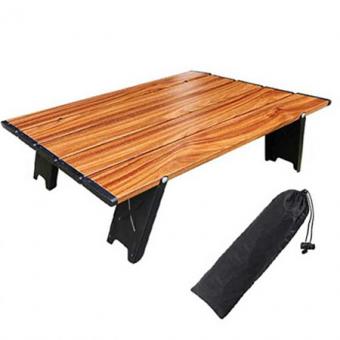
Marque : USINE ANHUI FEITEL Fabrication liée : OEM et ODM Produit : Une petite table de pique-nique légère et pliable, parfaite pour les activités de plein air. Fabriqué à partir de matériaux durables, il est portable et facile à installer.
Marque : USINE ANHUI FEISTEL Fabrication de relations : OEM et ODM Produit : La chaise de lune pliable en fer métallique léger et personnalisé offre un soutien et un confort durables, idéale pour le camping en plein air, avec une conception compacte et portable pour un transport et un stockage faciles.
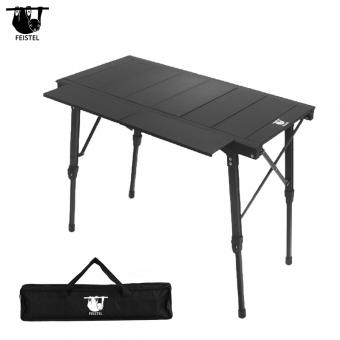
Marque : USINE ANHUI FEITEL Fabrication liée : OEM et ODM Produit : Table de pique-nique pliante portable d'extérieur : conception en aluminium légère et durable avec hauteur réglable, installation facile et sac de transport compact pour le camping, les pique-niques et les activités de plein air.
Marque : ANHUI FEITEL USINE Fabrication liée : OEM et ODM Produit : Une table de camping IGT BBQ polyvalente et portable avec des pieds réglables en hauteur. Idéal pour la cuisine en plein air, le camping et les pique-niques. Léger et pliable pour un transport facile.
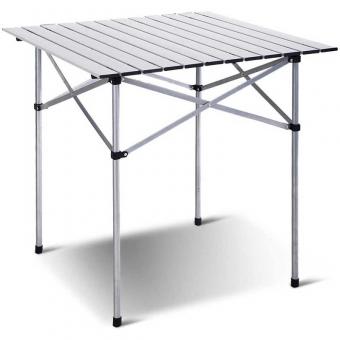
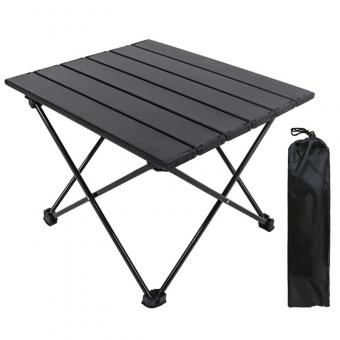
Marque : USINE ANHUI FEITEL Fabrication liée : OEM et ODM Produit : Table pliante en aluminium compacte et légère, parfaite pour le camping, la plage ou les activités de plein air. Facile à transporter, robuste et idéal pour contenir des aliments et des boissons.
Marque : USINE ANHUI FEISTEL Fabrication de relations : OEM et ODM Produit : Cette chaise longue de camping pliable en bois est dotée d'un cadre robuste, d'une conception inclinable ergonomique et d'une structure pliante compacte, parfaite pour se détendre à la plage, au camping ou dans l'arrière-cour.
Marque : USINE ANHUI FEISTEL Fabrication de relations : OEM et ODM Produit : Cette chaise de camping pliante d'extérieur avec cadre en aluminium est dotée d'un dossier réglable, d'une conception légère mais robuste, offrant un confort portable pour le camping, les sorties à la plage, les pique-niques et la détente en plein air.
Marque : USINE ANHUI FEISTEL Fabrication liée : OEM et ODM Produit : Ce mini tabouret de randonnée combine un tissu Oxford résistant et pliable avec une poche astucieuse faisant office de trousse, offrant portabilité, confort et praticité pour le camping et les aventures en plein air.
Marque : USINE ANHUI FEISTEL Fabrication de relations : OEM et ODM Produit : Le lit de couchage de voyage pour équipement de randonnée en gros est un lit de camping pliable à hauteur réglable offrant un support robuste, une portabilité facile et un repos confortable pour les aventures en plein air.
Marque : USINE ANHUI FEITEL Fabrication liée : OEM et ODM Produit : Un lit de camping pliant portable ultraléger et compact, idéal pour la randonnée, doté d'un cadre durable, d'une installation facile et d'un sac de transport pratique pour les voyages.
bulletin
abonnez-vous à notre newsletter pour recevoir des nouvelles, des mises à jour, et des offres spéciales par e-mail.